Choosing the right soda machines in 2026 requires more than comparing cooling speed and beverage output. Global buyers face different voltage systems, water conditions, CO₂ standards, and service networks. A compact dispenser may suit a small café in Singapore, while a high-capacity post-mix system may better support a busy hotel in Dubai or Toronto.
Beverage equipment consultant John M. Behrens offers a practical reminder: “The best machine is the one that fits the operation, not the one with the most features.” That principle matters when evaluating this year’s commercial models. Buyers should examine syrup compatibility, carbonation consistency, cleaning access, noise levels, energy use, and replacement-part availability. A machine that serves 100 drinks per hour sounds impressive, but it may become inefficient when staff must clean difficult internal lines every evening.
Reliability matters most.
This guide to the 2026 Best Commercial Soda Machines for Global Buyers focuses on real operating conditions rather than attractive specifications alone. It considers installation requirements, regional support, water filtration, and long-term maintenance costs. Some machines appear affordable at purchase, yet their imported parts and specialized servicing can raise ownership costs sharply. That weakness is easy to overlook.
No ranking can be perfect. Store size, customer volume, menu design, and local infrastructure change the final decision. Still, careful comparison can reveal which soda machines deliver stable carbonation, consistent temperature, and dependable service across different markets. The strongest choice is not always the newest model. It is the one that keeps pouring smoothly during the busiest hour.
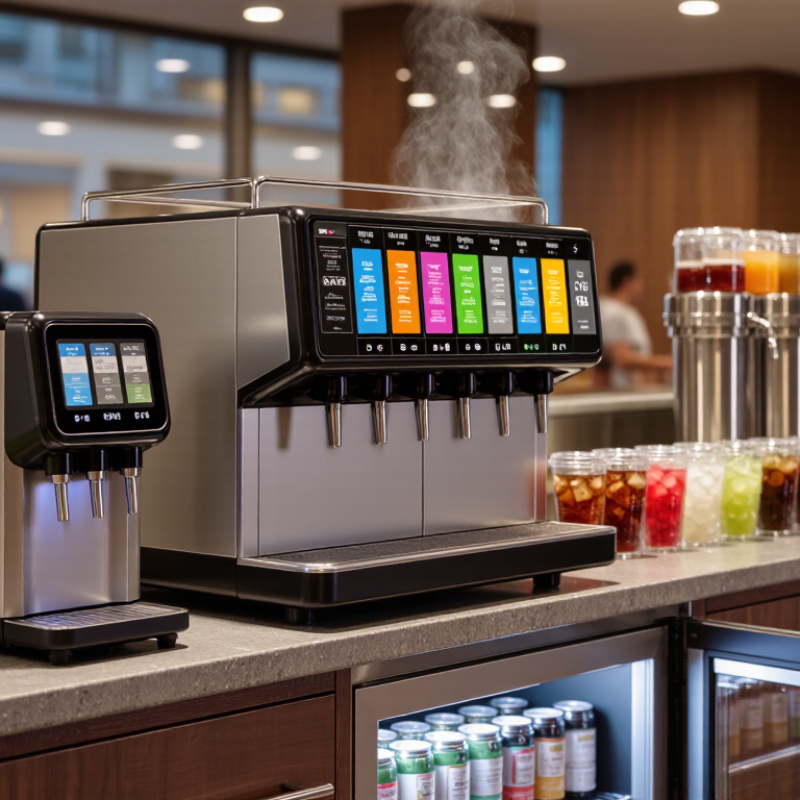
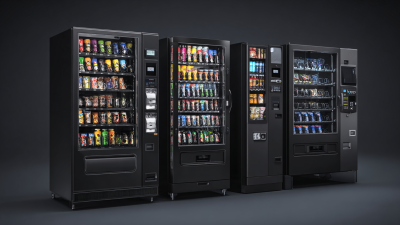
Commercial soda machines generally fall into three groups: post-mix dispensers, pre-mix dispensers, and vending units. Post-mix systems blend chilled water, carbon dioxide, and concentrated syrup at the nozzle. This design reduces storage space and allows operators to adjust serving ratios. Pre-mix machines use ready-made beverages from sealed containers. They are simpler to install, but transport and storage costs can be higher. Vending units combine refrigeration, payment controls, and automated dispensing in one cabinet.
It starts with water.
A pump or mains supply moves filtered water through a cooling circuit. Carbon dioxide then dissolves into the water under pressure, creating carbonation. Syrup travels through a separate line before both liquids meet at the dispensing valve. Correct pressure and temperature are essential.
Warm water produces weaker carbonation.
Excess pressure can cause foaming and inconsistent portions.
Small errors matter.
From practical installation work, cleaning access often matters more than appearance. Operators should inspect valves, tubing, filters, and drip trays every day. Water quality also affects taste and maintenance intervals. Global buyers need to check voltage, frequency, inlet fittings, gas compatibility, and local service support before ordering. Some machines require trained technicians for pressure adjustment. Not always. A low purchase price may hide difficult parts sourcing or unclear manuals. I would also question advertised output figures, because real performance changes with ice demand, ambient heat, and staff habits.
Choosing a commercial soda machine starts with service conditions, not appearance. In busy cafés, I compare hourly output, cooling recovery, and dispensing speed. A machine that pours quickly but warms during lunch creates uneven drinks. Check whether its stated capacity reflects chilled water, syrup, and carbonation together. Some specifications look impressive yet assume ideal room temperatures. Measure counter depth, ventilation clearance, water pressure, and electrical demand before ordering. Small errors become expensive installation delays.
Carbonation control deserves close attention. Ask how pressure is regulated and whether the system maintains consistent bubbles across repeated servings. Adjustable syrup ratios help operators serve different recipes without replacing pumps. Look for food-contact materials that resist odor and remain easy to inspect. Cleaning design matters as much as flavor. Removable nozzles, smooth tubing, and accessible drains reduce hidden residue. I prefer machines with clear cleaning instructions and recorded maintenance intervals. I once focused too heavily on output and underestimated sanitation time.
Global buyers should verify local voltage, plug configuration, water-treatment needs, and available technical support. Confirm recognized safety and electrical certifications for the destination market. CO2 connections need secure fittings, pressure protection, and practical cylinder access. Ask about spare valves, seals, pumps, and delivery times. Digital controls can simplify monitoring, but they may add failure points and training needs. Keep it simple when staff turnover is high. Total cost includes filters, gas, syrup waste, cleaning labor, and downtime. A live test with local water is valuable, although suppliers may not always offer one. That limitation should influence the purchase decision.
2026 Best Commercial Soda Machines for Global Buyers
Capacity should match peak demand, not average sales. A busy counter may serve 80 drinks per hour, while a hotel lounge may need fewer, larger servings. A practical starting point is 1.2 to 1.5 times the busiest hourly demand. Too little capacity creates queues. Too much increases unused syrup, cooling load, and maintenance. The U.S. Department of Energy’s 2018 Commercial Buildings Energy Consumption Survey shows commercial buildings consumed about 6.8 quadrillion Btu annually, making equipment efficiency a serious purchasing factor.
Power compatibility requires more than checking wattage. Buyers must verify voltage, frequency, plug type, grounding, and local certification. Many markets use 220–240 volts at 50 hertz, while North America commonly uses 120 volts at 60 hertz. A 2,000-watt machine can draw about 9.1 amps at 220 volts, before startup variation. Leave electrical headroom. Undersized circuits cause nuisance trips.
Water quality and space are often underestimated. The WHO and UNICEF Joint Monitoring Programme reported that 2.2 billion people lacked safely managed drinking water in 2022. Therefore, use a tested potable-water line, filtration, backflow protection, and an accessible shutoff valve. EPA WaterSense estimates that household and building leaks waste nearly one trillion gallons yearly in the United States. Small leaks matter. Allow space for ventilation, syrup boxes, drain routing, and technician access. My own planning error would be placing the machine too close to a wall; service access disappeared. A perfect fit is rare. Recheck the layout.
Safety begins with water, pressure, and electrical compatibility. Confirm local voltage, grounding, inlet pressure, and potable-water requirements before purchase. The WHO estimates that foodborne diseases affect about 600 million people annually, causing 420,000 deaths worldwide. This makes beverage hygiene more than a purchasing detail. It is an operational duty. (WHO, Estimates of the Global Burden of Foodborne Diseases, 2015)
Sanitation needs a written routine. Clean syrup lines, nozzles, drip trays, and touch surfaces according to the machine manual and local rules. The U.S. FDA Food Code 2022 generally requires food-contact surfaces to be cleaned at least every 24 hours, unless an approved exception applies. Use food-safe chemicals, correct dilution, and clean gloves. Rinse thoroughly. Small details matter. A bright exterior can hide residue inside a connector. That mistake is easy to miss.
Maintenance planning should include filters, seals, pumps, carbonators, and spare fittings. Keep service records with dates, pressure readings, replaced parts, and technician names. NSF/ANSI 18 provides recognized hygiene requirements for manual food and beverage dispensing equipment. Global buyers should also check regional certification and language support. Remote sites need realistic response times, not vague promises. A machine can be technically excellent yet unsuitable without local parts. That is often overlooked. Perfect logs do not guarantee perfect cleaning, either. Supervisors should inspect, photograph, and occasionally challenge their own routine.
Choosing a commercial soda machine starts with the business, not the machine’s appearance. A busy hotel may need rapid dispensing, while a small café may value compact dimensions and simple cleaning. Estimate peak-hour demand, not average daily sales. A machine serving 80 drinks daily may still struggle during a lunchtime rush.
Power requirements deserve careful checking. Voltage, frequency, plug type, and electrical protection vary between markets. Water quality matters too. Hard water can create scale inside valves and cooling systems. A replaceable filtration system may protect performance, but it also adds recurring costs. Check local certification requirements before placing an order. Documentation should be clear and available in the operator’s working language.
Climate changes the choice. In hot, humid regions, strong cooling capacity and ventilation space become essential. In remote areas, select equipment with accessible parts and straightforward maintenance. Local technicians may not understand complex digital controls. Simple systems can be more dependable. Maybe not always.
Review syrup connections, carbonation capacity, drain design, and cleaning access. These details affect hygiene, labor, and downtime. Confirm whether replacement pumps, seals, filters, and control components can arrive quickly. A low purchase price means little if one small part stops service for weeks. Payment systems also need regional compatibility and secure operation. Test a sample unit under realistic water temperature and rush-hour conditions before committing to a large purchase.