Top 10 Benefits of Water Vending Machines for Your Health and Convenience
In recent years, water vending machines have gained significant popularity due to their numerous health and convenience benefits. According to Dr. Emily Waters, a leading expert in hydration and public health, "Water vending machines provide an accessible, affordable, and sustainable way for individuals to stay hydrated, which is crucial for overall health and wellness." These innovative solutions not only ensure the availability of clean drinking water but also promote healthier lifestyle choices among consumers.
As urban areas expand and the demand for convenient access to fresh water grows, water vending machines have emerged as an essential component in communities. With their ability to offer purified water at a fraction of the cost of bottled alternatives, these machines cater to a health-conscious demographic that seeks both convenience and eco-friendliness. Furthermore, they serve as a valuable resource during times of crisis, such as natural disasters or public health emergencies, ensuring communities can access safe drinking water when needed most.
The advantages of water vending machines are manifold, ranging from reduced plastic waste to encouraging hydration on-the-go. As awareness of the importance of hydration continues to spread, the role of water vending machines in promoting public health and environmental sustainability becomes increasingly evident, making them a vital addition to our daily lives.
Benefits of Convenient Access to Clean Drinking Water
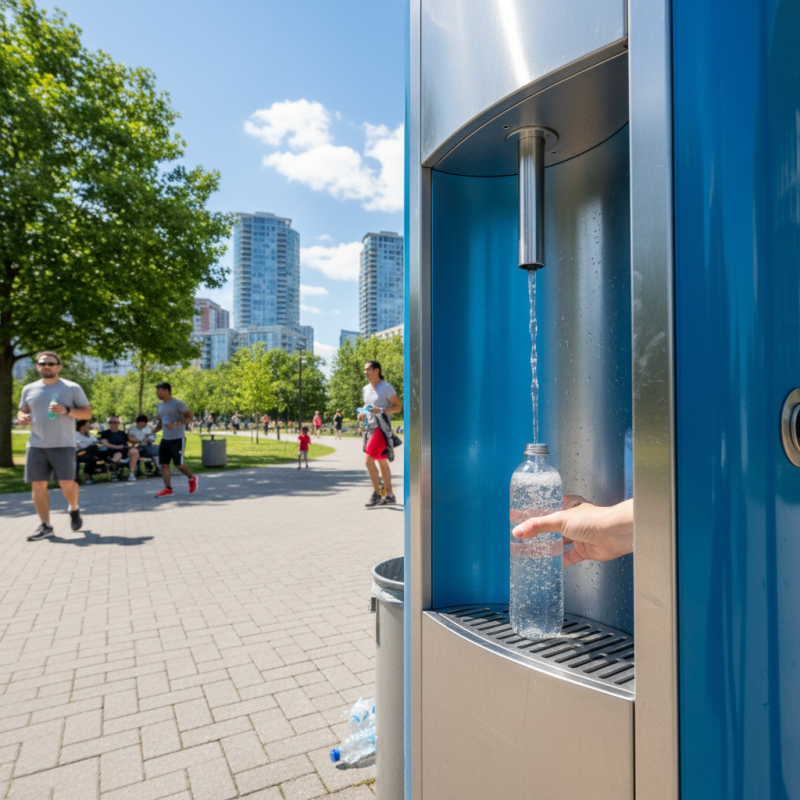
Access to clean drinking water is paramount for maintaining good health, and water vending machines provide a convenient solution to this necessity. These machines are strategically placed in various public areas, facilitating easy access for individuals on the go. Whether at a park, gym, or shopping center, people can quickly obtain purified water without the need to carry heavy bottles or search for a drinking fountain, making hydration more attainable for everyone.
Moreover, water vending machines often utilize advanced filtration systems that ensure the water dispensed is free from contaminants. This assurance helps alleviate concerns about water quality, providing peace of mind to consumers. By enabling frequent hydration, these machines play a crucial role in promoting overall wellness, as proper water intake is essential for bodily functions, energy levels, and cognitive performance. The ease of accessing clean water directly corresponds with healthier lifestyle choices, encouraging individuals to stay adequately hydrated throughout their daily activities.
Health Advantages of Hydration from Water Vending Machines
Hydration is a fundamental aspect of maintaining overall health, and water vending machines offer a convenient source of pure drinking water that can significantly enhance hydration levels. According to the Centers for Disease Control and Prevention (CDC), about 75% of Americans are chronically dehydrated, which can lead to various health issues such as headaches, fatigue, and decreased cognitive function. By providing easy access to clean water, these vending machines encourage individuals to make better hydration choices throughout the day. Studies have shown that just a 1-2% decrease in body water can impair performance, making the availability of water crucial, particularly in high-traffic areas like gyms, schools, and offices.
The health advantages of consistent hydration from water vending machines extend beyond mere convenience. A study published in the American Journal of Public Health revealed that proper hydration can improve physical performance and cognitive functions, including memory and concentration. Furthermore, drinking sufficient water can aid in digestion and help maintain the balance of bodily fluids, which is essential for nutrient transportation and temperature regulation. Access to fresh water via vending machines can empower individuals to reach their daily hydration goals, aligning with recommendations from health organizations that suggest consuming at least eight 8-ounce glasses of water daily. By integrating water vending machines into daily routines, individuals can foster better hydration practices and support their overall health and well-being.
Cost-Effectiveness of Using Water Vending Machines for Consumers
Water vending machines are rapidly gaining popularity as a cost-effective solution for consumers seeking high-quality hydration. According to a recent industry report by the National Association of Convenience Stores, the demand for bottled water is projected to increase by 10% annually, pushing consumers to consider more economical options. Water vending machines, typically offering purified and filtered water, reduce costs significantly compared to buying bottled water. Studies show that consumers can save up to 70% on their water purchases by refilling their reusable containers at vending machines rather than buying single-use bottled products.
In addition to saving money, water vending machines also provide convenience and accessibility. With an increasing number of locations—research indicates a growth of 15% in machine placements over the past two years—more consumers have access to clean drinking water. This ease of access encourages healthier hydration habits, particularly in urban areas where bottled water may be overpriced or difficult to find. Moreover, the average cost per gallon from a vending machine is reported to be around $0.25 to $0.50, a stark contrast to the retail price of bottled water, which can exceed $3.00 per gallon. These economic advantages make water vending machines a smart choice for both consumers and businesses looking to promote health and sustainability.
Top 10 Benefits of Water Vending Machines for Your Health and Convenience
| Benefit |
Description |
Health Impact |
Cost-Effectiveness |
| Convenient Access |
Available in multiple locations, making it easy to hydrate anywhere. |
Increased hydration improves overall health. |
Usually cheaper than bottled water. |
| Quality Assurance |
Regularly maintained machines provide clean water. |
Reduces risk of waterborne diseases. |
Less expensive than purchasing bulk bottled water. |
| Customization |
Users can choose water temperature or add filters. |
Encourages consumption of preferred water types. |
Cost-effective options for different needs. |
| Eco-Friendly |
Reduces plastic waste from bottled water. |
Supports environmental preservation. |
Saves money on plastics and waste disposal. |
| Hydration Awareness |
Encourages frequent water consumption. |
Promotes healthier lifestyle choices. |
Affordable refills remind users to stay hydrated. |
| Community Support |
Facilitates access to clean water in underserved areas. |
Improves public health and accessibility. |
Cost-effective for communities needing water solutions. |
| Taste Improvement |
Filtered water often tastes better than tap water. |
Encourages higher water intake. |
Saves money on flavored beverages. |
| Flexible Payment Options |
Many machines accept various payment methods. |
Convenience boosts usage. |
No need to invest in expensive water delivery plans. |
| Quick Service |
Fast access to water without queues. |
Promotes quick hydration post-activity. |
Saves time and money on purchases. |
| Innovative Technology |
Some machines offer contactless options. |
Enhances safety during purchases. |
Cost-effective solutions reduce long-term expenses. |
Environmental Impact of Water Vending Machines in Reducing Plastic Waste
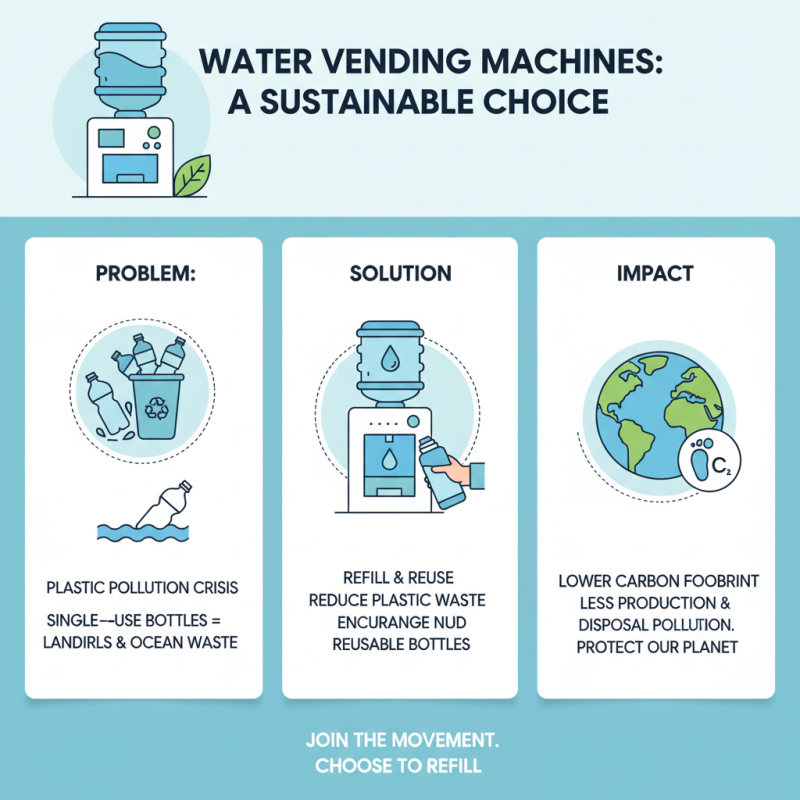
The environmental impact of water vending machines extends beyond mere convenience; they play a crucial role in reducing plastic waste. With the worldwide crisis of plastic pollution, traditional bottled water contributes significantly to the burden on landfills and oceans. Water vending machines provide a sustainable alternative by encouraging the use of refillable bottles. By investing in these machines, consumers can significantly decrease their reliance on single-use plastic bottles, effectively minimizing the overall carbon footprint associated with production and disposal.
Moreover, the accessibility of water vending machines supports eco-friendly habits among communities. By strategically placing these machines in various locations, individuals are more likely to opt for a refillable option rather than purchasing bottled water. This shift can foster a cultural change toward sustainability, where reducing plastic waste becomes a norm rather than an exception. As water vending machines continue to gain popularity, their potential to diminish plastic accumulation becomes increasingly significant, making them a valuable addition to both urban and rural areas.
User-Friendly Technology and Features of Modern Water Vending Machines
Modern water vending machines have evolved significantly, incorporating user-friendly technology that enhances both accessibility and convenience. Many of these machines feature touch screen interfaces, allowing users to easily navigate options for purchasing still or sparkling water, selecting the desired quantity, and even customizing flavors with additional enhancements. These intuitive controls make the process straightforward, even for those who may not be tech-savvy, ensuring that everyone can hydrate easily while on the go.
In addition to their ease of use, modern water vending machines often come equipped with various payment options, including mobile payment systems, contactless cards, and cash. This flexibility caters to a broad range of consumers, ensuring that access to fresh water is not hindered by payment preferences. Furthermore, some machines provide real-time data on water quality, allowing users to make informed choices about what they are drinking. Smart features, such as tracking purchase history and loyalty rewards, add an extra layer of convenience and encourage customers to prioritize their hydration needs.