What Is the Best COB Fine Pitch LED Display in 2026?
Choosing the best COB fine pitch LED display in 2026 is not simply a contest of pixel pitch or brightness. The right choice depends on viewing distance, room lighting, installation scale, and how the screen will be serviced. A control-room wall viewed from two meters has different needs from a lobby display catching sunlight through glass. Small details matter.
Industry research can help frame the decision. Omdia’s LED Video Display Market Tracker follows market shipments and product segments, while TrendForce’s LED display market analyses examine technology and pricing trends. These sources offer useful context, but market growth alone cannot prove that one panel is best. Buyers should compare verified specifications, warranty terms, spare-module availability, and service procedures alongside any market data. A glossy demo is not a durability test.
COB packaging can protect LED chips beneath a coated surface and support close-viewing applications. Yet performance varies by product. Ask for measured brightness and contrast, grayscale performance at low brightness, refresh rate, and energy use under realistic content. Request a sample and inspect text edges, skin tones, and dark scenes from the intended viewing distance. Check how the supplier handles a damaged module, too. This can reveal more than a brochure.
There is no universal winner. A lower pixel pitch may sharpen detail, but it can raise cost without improving the actual viewing experience. The best 2026 choice is the display whose independently verifiable performance, maintenance plan, and total cost fit the installation—not merely the one with the boldest specification. One caveat: published market reports rarely capture every on-site service issue. That deserves attention.
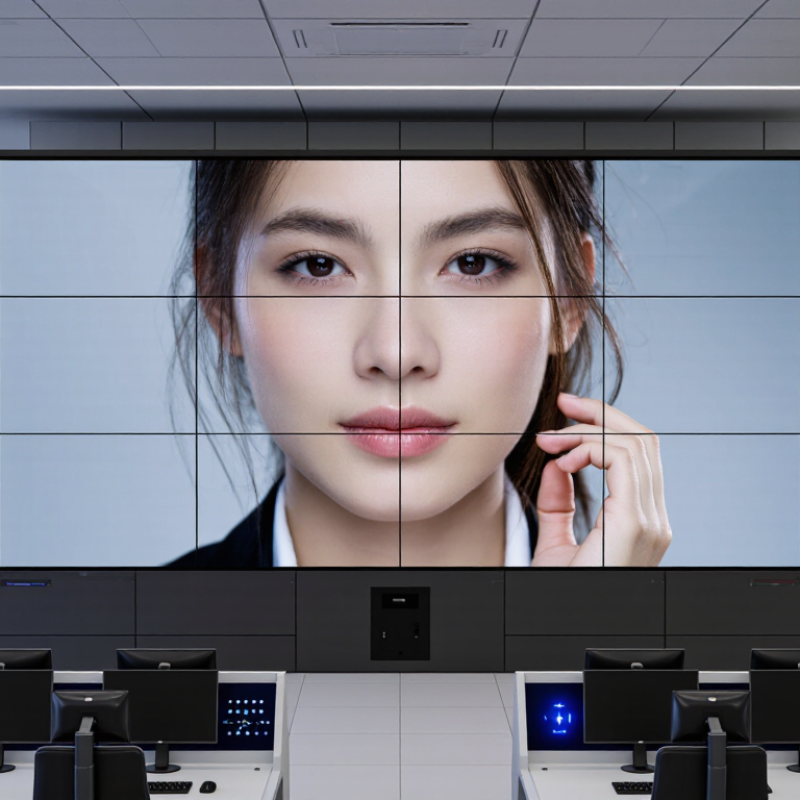
What Defines a COB Fine-Pitch LED Display
What Defines a COB Fine-Pitch LED Display
A COB fine-pitch LED display uses tiny LED chips mounted directly onto a circuit board, then covered by a protective encapsulation layer. “Fine-pitch” describes the small distance between neighboring pixels, typically measured in millimeters. A tighter pitch can create a sharper image at close viewing distances, provided the source material and screen settings are suitable. Smaller pitch is not automatically better.
The COB surface can help shield delicate LED chips from dust, accidental contact, and routine cleaning. That matters in control rooms, meeting spaces, and other places where viewers may stand close to the screen. Look closely at pixel uniformity, color consistency, and how the display handles dark scenes. A specification sheet helps, but it cannot show every real-world viewing condition.
Installation and maintenance also define the experience. Check the display’s brightness, heat management, power use, and access to serviceable modules. Ask how repairs are handled; a durable surface does not mean every repair is simple. It is not magic. Even a high-density screen may reveal seams, uneven color, or glare under poor lighting. Sometimes that detail gets overlooked. Compare samples at the intended viewing distance, and inspect them in the room’s actual lighting before choosing a pitch.
How COB Packaging Shapes Image Quality and Durability
What Is the Best COB Fine Pitch LED Display in 2026?
COB packaging mounts LED chips directly onto a circuit board, then protects the surface with a uniform coating. This can reduce exposed gaps between pixels and create a smoother-looking image at close viewing distances. Fine pitch matters, but it is not the whole story. Color consistency, grayscale handling, and calibration also shape what viewers see. Dark scenes can reveal uneven brightness that a bright showroom image hides.
The protective layer helps shield chip surfaces from dust and accidental contact. It may also make routine cleaning less delicate, though the display still needs careful handling. Durability depends on more than packaging: heat control, installation, and service quality matter too. Look at real content from several viewing distances, not only test patterns. Honestly, specifications alone can be misleading.
Tip: Check small text, skin tones, and moving images. Ask how damaged pixels are repaired, and confirm the viewing distance suits your room. Bring a sample video. It helps.
COB Fine-Pitch LED: Pixel Density by Pixel Pitch
Smaller pixel pitch packs more pixels into the same area. Values are calculated for a square pixel grid using (1,000 ÷ pitch in millimeters)²; they are geometric estimates, not product test results. COB packaging does not change pixel density at a given pitch, but its integrated, coated surface can help protect LED chips from impact and contamination.
Which Specifications Matter When Comparing Displays
Choosing the best COB fine-pitch LED display in 2026 starts with the room, not a headline specification. Pixel pitch affects viewing distance and image detail. A 1.2 mm pitch may suit a close-viewing control room, while a larger pitch can work well across a spacious lobby. Too tight? You may pay for detail viewers cannot see. Consider how far people sit or stand from the screen.
Brightness, contrast, refresh rate, and grayscale performance shape the image under real conditions. In a dim meeting room, excessive brightness can cause eye strain. More is not always better. Check whether dark scenes retain detail and whether moving text appears stable on camera. Ask to view familiar footage, not only vivid demo loops. Color consistency across panels matters, too; inspect a large white field for visible shifts or uneven patches.
COB construction can help protect LED surfaces, but it does not guarantee uniformity or easy maintenance. Compare cabinet seams, heat management, power consumption, and access to replaceable modules. Request measured specifications and test the display at its intended brightness. A specification sheet may look reassuring, yet installation quality can still disappoint. That is easy to overlook. Include viewing angle and ambient-light conditions in the evaluation, especially if people will watch from the sides or near bright windows.
How Room Conditions and Use Cases Affect Display Choice
What Is the Best COB Fine Pitch LED Display in 2026?
How Room Conditions and Use Cases Affect Display Choice
The best display depends on where people sit, what they watch, and how much light enters the room. A boardroom with shaded windows differs from a bright retail floor. Measure ambient light at the screen during actual use; daylight can flatten contrast even when the display looks bright after sunset. ITU-R BT.500-15 uses a viewing distance of three screen heights as a reference for HDTV subjective assessments. It is a useful starting point, not a universal installation rule. AVIXA’s DISCAS standard likewise relates image size to viewing distance and content detail. Close seating and small text usually call for finer pixel pitch. But finer pitch alone cannot fix reflections or poor sightlines.
Tips: Mark the nearest seat and measure daytime light before choosing pitch and brightness. Check sample content from that seat, too. Tiny text can expose weaknesses fast.
For control rooms, presentations, or detailed graphics, evaluate the display with the content operators actually use. For public spaces, consider longer viewing distances, changing daylight, and whether viewers move past the screen. COB construction can suit close viewing, but surface finish and maintenance access still matter. Ask for a site-specific demonstration, ideally with lights set as they will be during daily operation. I would not choose from a specification sheet alone; it can hide the room’s awkward corners. A test may also reveal that the planned screen is simply too large.
How to Identify the Best COB Fine-Pitch LED Display in 2026
To identify the best COB fine-pitch LED display in 2026, start with the room, not the brochure. Measure viewing distance, ambient light, and wall dimensions. A 1.2 mm pixel pitch provides about 833 pixels per metre, a useful density for close viewing. But it does not guarantee clear text or natural skin tones. Ask for close-up footage and measurements taken at realistic brightness.
MarketsandMarkets’ LED Display Market report projected the overall market to grow from USD 7.5 billion in 2023 to USD 12.3 billion by 2028, a 10.4% compound annual growth rate. This broad forecast is not COB-specific, but it signals a fast-moving category. Compare COB models using measured brightness, grayscale uniformity, refresh performance, power consumption, and repair procedures. Request test results at operating temperature, plus documentation on pixel defects and module replacement. No single metric settles it. Even a polished demo can hide uneven dark scenes.
Tips: View the display from your actual seating distance. Test small white text on black, then slow-motion video. Check whether a damaged module can be replaced without disturbing its neighbours. Record the conditions; showroom lighting can mislead.