Which Electric Vapes Are Best for Buyers in 2026?
Choosing among Electric Vapes in 2026 takes more than comparing sleek finishes or advertised puff counts. Grand View Research valued the global e-cigarette and vape market at approximately $26.2 billion in 2023, forecasting a 14.3% compound annual growth rate through 2030. That signals a crowded market, not a quality guarantee. Not the same thing. For adult buyers in places where sales are permitted, useful comparisons include device reliability, battery capacity, charging method, refill or replacement costs, and clear product information. A pocket-sized device may suit commuting, while a larger battery can add weight to a jacket pocket.
Market reports cannot tell you how a particular device feels in daily use. Nor do they establish that vaping is harmless. The U.S. Centers for Disease Control and Prevention notes that e-cigarette aerosol can contain harmful substances. Cardiologist and e-cigarette researcher Dr. Konstantinos Farsalinos has emphasized comparing vaping risks with continued smoking, rather than treating vaping as risk-free; this is a summary of his published position, not a direct quotation. That distinction matters. This guide will weigh practical features alongside evidence quality, transparent specifications, and ongoing costs. A low sticker price may hide costly replacements. And product labels do not always answer every question. Buyers should check current local requirements and choose only products with verifiable information. The best choice is not automatically the newest, smallest, or most powerful device. It is the one whose trade-offs are clear—and whose claims stand up to scrutiny.
What Electric Vapes Are and How They Differ
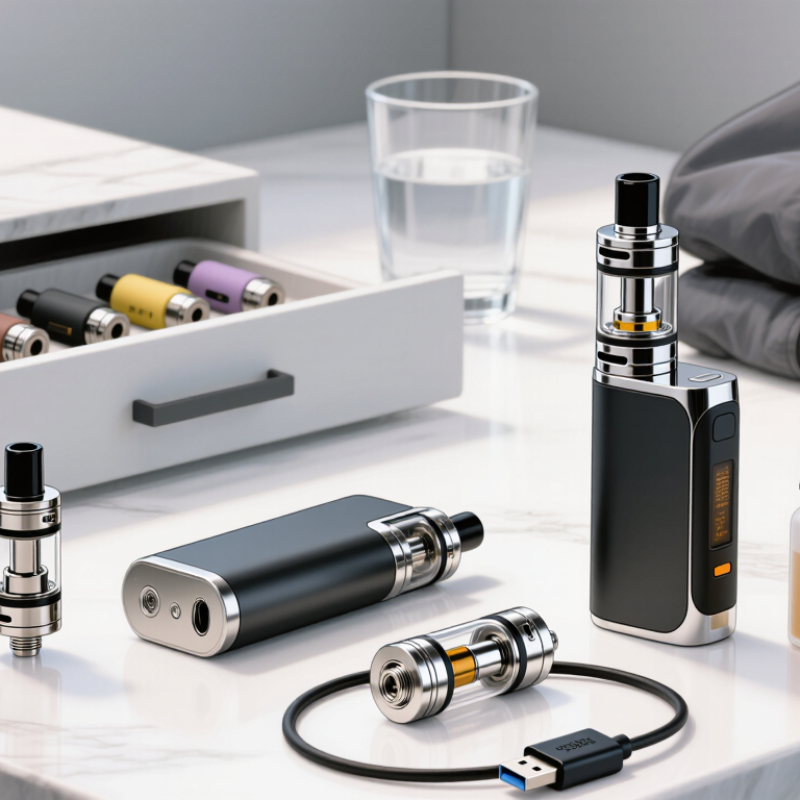
Electric vapes are battery-powered devices that heat a liquid into an inhalable aerosol. Unlike combustible tobacco, they heat material rather than burn it. Most contain a battery, heating element, liquid reservoir, and mouthpiece. Some are refillable; others use sealed, replaceable pods. Airflow and power settings affect the draw and warmth.
The National Academies’ 2018 report, Public Health Consequences of E-Cigarettes, notes that aerosol can contain nicotine, ultrafine particles, and other potentially harmful substances. It is not simply water vapor. The precise mixture can vary with the liquid and device settings. Small differences matter.
Device comparisons often focus on rechargeable versus disposable designs, refill options, and adjustable controls. Grand View Research estimated the global e-cigarette and vape market at $28.17 billion in 2023. That figure describes market size, not product quality or safety. For adult consumers where permitted, clear specifications and battery protections are practical details to check. Still, comparing devices by vapor volume alone misses important differences. I would treat broad market estimates cautiously: they cannot tell buyers how a particular device performs.
Which Electric Vapes Are Best for Buyers in 2026?
How common device styles differ: approximate battery capacity ranges
Battery capacity is measured in milliamp-hours (mAh). The ranges shown are approximate examples of commonly encountered specifications, not market averages; individual devices vary. Capacity alone does not determine battery life, and device type, power settings, and usage also matter.
Which Types of Electric Vapes Suit Different Buyers
Choosing an electric vape in 2026 depends on routine, budget, and comfort with maintenance. Rechargeable pod devices suit buyers who want a compact shape and straightforward controls. They fit easily in a small bag or coat pocket. Some use prefilled pods; others allow refilling, so check replacement costs and care instructions before choosing. That detail matters.
Pen-style devices may appeal to buyers who prefer a familiar, slim form and a little more battery capacity. Box-style models often offer more settings, but extra controls can mean a steeper learning curve. A larger screen or battery is not automatically useful. If you dislike adjusting settings, simpler may be better. I would also consider how easily the device can be cleaned and stored.
Disposable-style products may seem convenient for occasional use, yet repeated replacements can add cost and create more waste. Rechargeable options take more upkeep, and that trade-off is easy to underestimate. Adults should check age requirements and local rules before buying, and read the manufacturer’s safety guidance. Avoid damaged batteries, and use only compatible charging equipment. When comparing options, look for clear specifications, accessible replacement parts, and support that explains basic care without vague promises.
What to Compare When Choosing an Electric Vape in 2026
When comparing electric vapes in 2026, start with the device’s intended use and your local rules. Check that the seller provides clear specifications, age controls, and accessible safety information. A low price means little if replacement parts are hard to find.
Look closely at battery capacity, charging method, and protection against overheating or short circuits. Prefer clear guidance on charging and storage. Small details matter. A loose charging port or confusing indicator light can become frustrating during everyday use. Also compare size, weight, airflow settings, and how easily the device can be cleaned.
Consider ongoing costs, not just the price on the box. Check whether compatible replacement components are available and how much waste the device may create. Read the warranty terms and confirm that customer support can answer practical questions. A spec sheet can still mislead; advertised battery life may differ with frequent use. No device is risk-free, and features alone cannot establish safety. Choose only products sold through reputable, compliant channels, and follow the manufacturer’s instructions.
How Battery Life, Costs, and Maintenance Affect Ownership
Choosing an electric vape in 2026 involves more than comparing battery capacity. A larger battery may last longer, but it can also make a device heavier. Check whether published battery estimates reflect light or frequent use. Cold weather, screen brightness, and repeated charging can change real-world performance. Small details matter.
Ownership costs include the device, compatible replacement parts, and any recurring consumables. Compare prices over several months, not just the purchase price. A low-cost device may become expensive if parts are difficult to find or wear out quickly. It can be wrong. Keep receipts and check the warranty terms; coverage may exclude batteries or accidental damage.
Maintenance affects reliability. Follow the manufacturer’s care instructions, keep charging contacts dry, and inspect parts for wear or leaks. Don’t ignore a damaged battery or a charger that becomes unusually hot. That adds up. Battery disposal also matters: use an appropriate collection point rather than household rubbish. For adults who already vape, clear specifications and accessible support are practical signs of a more dependable purchase. Vaping carries health risks, and local age restrictions and rules vary.
What Safety and Legal Factors Buyers Should Check Before Purchasing
Before choosing an electric vape in 2026, check whether its sale and use are permitted where you live. Rules can differ by region, age, nicotine content, packaging, and public-use restrictions. Confirm that the seller checks buyers’ ages and provides clear manufacturer details, batch information, and safety instructions. An unlabelled box is a warning. Do not assume an online listing follows local rules; cross-border shipping may face separate restrictions. That detail is easy to miss.
Safety checks matter too. Look for a device with readable charging guidance and inspect the battery, cable, and casing for damage before use. Stop using it if it becomes unusually hot, leaks, or smells burnt. Keep it away from children, pets, and flammable materials, and follow local guidance for disposal. Check the ingredient label and avoid products with vague or missing contents. A polished package proves little. Even careful checks cannot remove every risk, and I would still pause if instructions seem incomplete or a seller makes dramatic health claims.