
Choosing a Rounders Set supplier involves more than comparing unit prices. Global buyers must assess product quality, component consistency, packaging, and the supplier’s ability to communicate clearly. A bat that feels sturdy in a sample may not match a larger production run. Details matter.
This guide introduces seven suppliers for buyers exploring different sourcing options. It considers practical factors such as available set configurations, materials, customization, minimum order quantities, sample policies, lead times, and quality checks. Buyers should also ask how products are packed for transport and what documents accompany an order. Confirm key details in writing. It saves trouble later.
Supplier information can change, and a polished catalogue does not prove reliable production. No supplier is perfect. A low quote may exclude packaging or artwork, while a short lead time may depend on stock availability. Those trade-offs deserve a closer look. Before committing, request a current quotation, inspect a representative sample, and clarify what happens if delivered goods differ from approved specifications. This overview is a starting point, not a substitute for direct verification. Its purpose is to help procurement teams ask sharper questions, compare suppliers on consistent criteria, and choose a Rounders Set partner suited to their market, budget, and delivery needs.
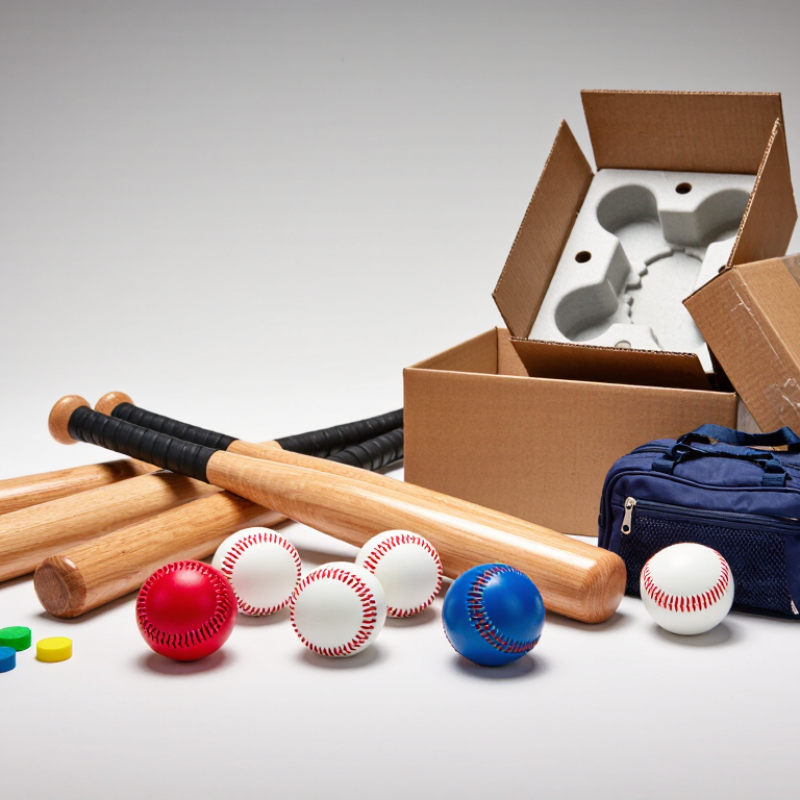
A rounders set is more than a bat and ball. It usually includes a bat, soft balls, four bases, and posts or markers for the playing area. The bat should feel balanced in the hand, with a grip that stays secure during repeated swings. Balls need to be easy to see on grass and firm enough for reliable throws. Small details matter.
Bases mark the route players run, so they should stay visible and resist shifting on uneven ground. Posts may be supplied separately, and set contents vary between suppliers. It is easy to focus only on bat quality; that can leave buyers with missing markers or mismatched equipment. Check the item list, materials, dimensions, and replacement options before ordering. For larger purchases, request a sample or clear product specifications. A set that works on a school field may not suit every club or training space.
Tips: Confirm how many bats and balls come in each set. Ask whether bases are flat, flexible, or stake-mounted. If several groups will share the equipment, choose durable parts and keep a few spare balls; they do go missing.
Key Criteria for Choosing a Global Rounders Set Supplier
Choosing a global rounders set supplier starts with verifiable specifications, not glossy catalogue images. Ask for bat length and weight tolerances, ball circumference, seam construction, and base material in writing. Test a sample outdoors. It should handle repeated catches on grass and hard ground without splitting or losing shape. Check the grip texture and whether bases remain visible after light rain. Small details matter. The SFIA 2024 Topline Participation Report says 242.8 million Americans took part in at least one sport, fitness, or outdoor activity in 2023. This is not a measure of rounders demand, but it highlights the scale of recreational participation and the need for equipment suited to shared use.
Then assess whether the supplier can deliver consistently. Request a packing list, carton dimensions, production lead time, defect policy, and replacement process. Ask how shortages are handled before peak season. The World Bank’s 2023 Logistics Performance Index assessed 139 economies across customs, infrastructure, international shipments, logistics competence, tracking, and timeliness. Use these dimensions to assess destination-market delivery risks; a low quote alone cannot demonstrate reliable service. Request recent batch photos and a pre-shipment inspection record. I would still test a sample. Paperwork can look complete, while play reveals weak handles or loose seams. That difference is easy to miss.
Editorial buyer-priority ratings on a 1–5 scale; these are a decision-making guide, not survey results.
Prioritize a complete, durable set and verify product safety requirements for the destination market. Before ordering, confirm customization options, export documentation, minimum order quantities, and production and shipping lead times with each supplier.
For global buyers, the seven useful Rounders set supplier profiles include complete-kit makers, bat specialists, ball makers, school-sport wholesalers, custom manufacturers, regional distributors, and export consolidators. Each offers different strengths. A complete kit may save coordination time, while specialist suppliers can provide more choice in bat materials or ball construction. Ask for a component list, dimensions, product photos, and a pre-shipment sample. Small details matter.
Shipping deserves equal scrutiny. UNCTAD’s Review of Maritime Transport 2024 reports that maritime transport carries over 80% of global trade by volume. Buyers should therefore check carton strength, packed dimensions, shipping terms, and lead-time estimates before placing large orders.
The World Bank’s 2023 Logistics Performance Index assessed 139 economies across six areas, including customs, shipment arrangements, tracking, and timeliness. Use those areas to frame supplier questions: Can the supplier provide tracking? Are export documents handled clearly? What happens if a bat arrives damaged?
A low quotation can hide weak packing or slow communication. Still, no checklist catches everything; request a small trial order when practical, and record the agreed specifications before production.
Rounders set suppliers differ in more than price. Compare the actual kit: bat material and grip, ball weight and surface, and whether bases stay visible on wet grass. Ask for a sample set and inspect seams, edges, and packaging. Small defects matter. A smooth bat handle can feel slippery after rain, while loose bases may shift during play.
Quality claims need evidence. Request batch inspection records, material details, and written replacement terms; then compare those documents across suppliers. McKinsey and the World Federation of the Sporting Goods Industry forecast annual sporting-goods market growth of about 6% from 2024 to 2027. That forecast suggests rising demand, not guaranteed product quality. The 2024 SFIA Topline Participation Report counted 242.1 million US participants in at least one sport or fitness activity in 2023. This US figure is useful context, but it is not a global demand estimate.
Service can decide whether a low quote is practical. Compare sample turnaround, production lead times, carton labeling, spare-ball availability, and responses to damaged goods. Ask suppliers to confirm quantities and delivery dates in writing. A detailed checklist helps, though it can still miss a problem found only during a real game. Test a complete set on a school field before placing a large order.
Before comparing rounders set suppliers, write a fixed specification: bat length and weight, ball size and firmness, stump material, set quantity, and carry-bag dimensions. Ask for a dated quotation covering minimum order quantity, sample fees, production time, packaging, and delivery terms. A photograph is not enough. Request a physical sample and check the bat’s finish, stitching, and ball bounce. Small defects matter when sets are used by children.
Check how the supplier handles quality checks and replacements. Ask for inspection photos, carton dimensions, and a packing list before shipment. Confirm that the invoice and product description match your order, then agree on payment milestones in writing. Leave room for delays. UNCTAD’s Review of Maritime Transport 2024 reported that global maritime trade grew 2.4% in 2023, while container trade grew only 0.3%. That uneven movement makes a supplier’s realistic dispatch estimate more useful than a rushed promise.
For a first order, test a modest quantity across several schools or stores. Record breakage, missing parts, and user feedback before reordering. It may feel slower. Still, this step can reveal whether the set suits the intended age group and playing surface. Keep the approved sample and specification together, so later batches can be checked against the same details.
| Supplier Type | Best Fit | Typical Set Options | What to Verify | Recommended Ordering Steps |
|---|---|---|---|---|
| 1. Specialist Rounders Equipment Manufacturer | Schools, clubs, and buyers seeking equipment designed specifically for rounders. | Bats, balls, bases or posts, and storage bags; set contents vary by supplier. | Confirm materials, dimensions, included components, replacement-part availability, and whether the equipment suits your intended rules or playing level. | Request a complete itemized specification; confirm stock and delivery destination; approve a sample or product images where appropriate; then place the order in writing. |
| 2. Sports Equipment OEM/ODM Manufacturer | Importers and distributors needing custom colors, packaging, or private-label production. | Configured sets assembled from bats, balls, bases, and optional bags or instruction materials. | Check production capability, material specifications, sample consistency, customization limits, quality-control process, and minimum order quantity. | Send a written product brief; agree on a sample and specification; confirm tooling or packaging charges, production schedule, inspection terms, and shipping arrangements before paying a deposit. |
| 3. School Sports Equipment Wholesaler | Schools and education buyers ordering standard sets or several sports products together. | Ready-to-order sets, replacement balls, training equipment, and school-use accessories. | Verify that the set is actually intended for rounders, check quantities per pack, request a formal quote, and confirm delivery to the school or purchasing department. | Compare like-for-like set contents; request a quotation with taxes and delivery shown separately; obtain purchase-order approval; confirm dispatch and delivery contact details. |
| 4. Team and Club Sports Distributor | Clubs, leagues, and community organizations that need repeat orders or mixed quantities. | Individual equipment and bundled sets, often with options for different experience levels. | Ask about available stock, reordering consistency, replacement components, payment terms, and support for multi-location delivery. | Share the required quantities and delivery dates; confirm availability and any substitutions; approve the final quote; retain the SKU or specification list for future replenishment. |
| 5. General Sports Goods Manufacturer | Buyers comparing broader sports-equipment production capacity or sourcing several product categories. | Rounders equipment may be offered alongside other bat-and-ball or field-sport products. | Confirm rounders-specific product experience, component compatibility, material details, product testing documentation where applicable, and clear set contents. | Request product data and a sample set; check that every component meets the agreed specification; approve packaging and labeling; confirm production and inspection milestones. |
| 6. Regional Sports Equipment Importer or Distributor | Buyers who value local-language support, regional delivery, or a simpler domestic purchasing process. | Imported ready-made sets, individual replacement items, and locally stocked equipment. | Check local stock status, country-of-origin information where relevant, applicable taxes, warranty handling, and the distributor’s responsibility for delivery. | Request a delivered-cost quotation; confirm whether items are in stock or back-ordered; review return and warranty terms; place the order using the agreed local delivery details. |
| 7. Online Sports Equipment Wholesaler | Small clubs, schools, and buyers placing straightforward orders for standard products. | Catalog-listed sets and separately listed bats, balls, bases, or bags. | Read the full product description, check pack quantities and shipping restrictions, review seller and return information, and confirm that the set includes all required parts. | Compare the complete delivered price; contact the seller about unclear specifications; save the listing and order confirmation; inspect the shipment promptly on arrival. |