
Choosing a Road Bicycle in 2026 is less about finding the most expensive model and more about matching the bike to your roads, body, and riding plans. A carbon frame may feel light on a steep climb, while a well-built aluminum bike can be a sensible choice for commuting and weekend rides. Neither material is automatically best. Fit matters.
Start with how you actually ride. Smooth pavement, rough country lanes, and long-distance routes place different demands on tire clearance, gearing, and riding position. A short test ride around a shop parking lot can reveal obvious discomfort, but it cannot fully predict how a bike will feel after two hours. That distinction is easy to overlook. Ask a qualified fitter or experienced shop technician to check reach, saddle height, and handlebar position, especially if you have recurring aches.
This guide will compare road-bike categories, frame materials, components, and practical budgets, then explain what to inspect before buying. We will also consider details that brochures often make hard to judge: tire width, repair access, and whether the gearing suits your local hills. Specifications change, and model names can be confusing, so verify current equipment with the manufacturer or retailer. A few recommendations may still depend on personal preference. That is normal. The best choice is the one that feels controlled, comfortable, and dependable on the rides you will actually take.
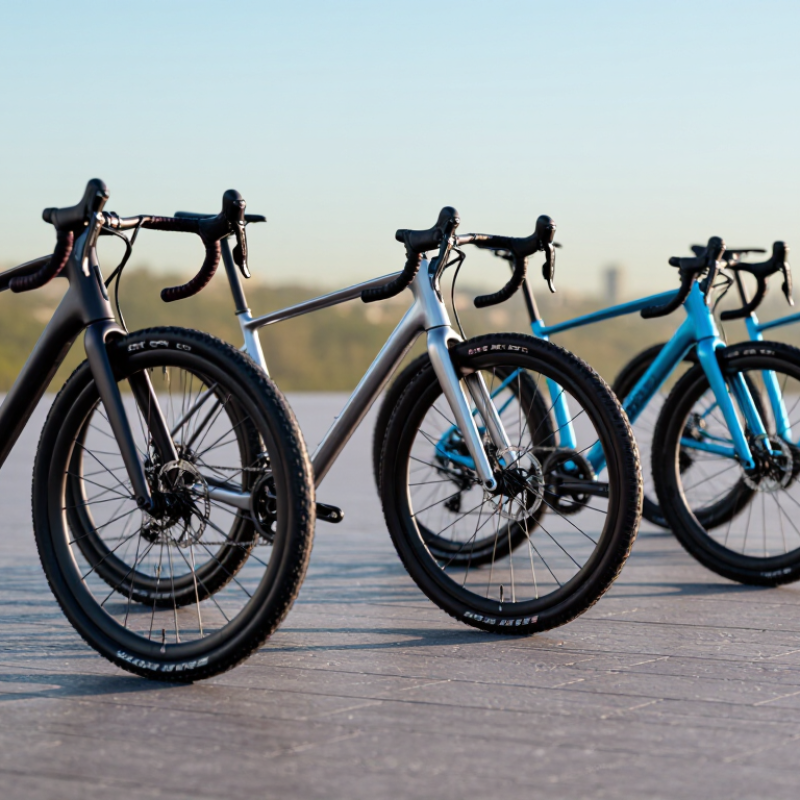
How to Choose the Best Road Bicycle in 2026?
Start with the roads and rides you actually have, not an idealized training plan. A race bicycle feels quick on smooth pavement, with a lower position and responsive handling. That can be tiring on long, relaxed rides. Endurance models usually offer a more upright fit and room for wider tires, which can soften rough pavement. Fit matters most. A professional fitting can help, but even a short test ride may reveal pressure on your hands or an uncomfortable reach.
For mixed surfaces, consider an all-road bicycle with dependable tire clearance and stable handling. It may feel less lively on perfect tarmac, yet gravel shoulders and broken pavement become less stressful. Commuters should prioritize practical details: secure mounts, predictable braking, and space for lights or a small bag. Mud changes everything. Think about your wet-weather route, too. A fast frame is not useful if its gearing makes steep streets unpleasant. Your needs may overlap; that is normal.
Tips: Before choosing, list your usual distance, road surface, hills, and carried items. Test the bicycle on a familiar stretch, including a rough patch if possible. Check that you can reach the controls comfortably and shift without strain. Be honest about how often you will race. I might overvalue speed when shopping, then ride at an easy pace most days. A little doubt is useful.
Frame material shapes weight, comfort, repair options, and price, but the frame alone does not determine ride quality. Carbon composite can be formed with different stiffness across the frame, while aluminum designs often offer a lower-cost route to a responsive bike. Steel and titanium may appeal to riders who value durability or long service life. Still, tubing, layup, geometry, and build quality matter as much as the material label.
The UCI’s International Cycling Regulations, Article 1.3.019, set a 6.8 kg minimum for bicycles used in applicable road competition. That is a race-rule threshold, not a recommendation for every rider. A lighter build may save weight on a climb, but it can also mean higher costs or less practical components. Check the complete bike’s weight, not just the frame. A scale beside the workshop stand tells the truth.
Safety deserves equal attention. ISO 4210-6:2023 describes frame and fork tests for fatigue, impact, and static strength. These tests help compare safety performance; they do not guarantee a particular ride feel or lifespan. On rough roads, tire clearance, sensible pressures, and secure handling can matter more than chasing grams. My own bias is toward a frame that feels calm on broken pavement, though that preference is not a measurement. UCI and ISO references provide useful context, not a substitute for a careful test ride.
A rider’s height is only a starting point. Two people of equal height can have different torso lengths, arm reach, and flexibility. Frame geometry tables show stack, the vertical distance from the bottom bracket to the top of the head tube, and reach, the horizontal distance. Both are measured in millimetres, making them more useful for comparing frames than a size label alone.
Compare frames you can already ride comfortably, or ask a qualified fitter to measure your current setup. For example, a hypothetical frame with 548 mm stack and 383 mm reach sits lower and farther forward than one with 565 mm stack and 375 mm reach. That difference can change handlebar height and how stretched your back feels. Check the stem and spacer range, too; a frame can look close on paper but offer little adjustment. Small detail. Record your saddle height and handlebar position before testing.
Competition rules are not fit instructions, but the UCI Technical Regulations specify a usual minimum saddle setback of 50 mm behind the bottom-bracket vertical line. That number governs race equipment, not your ideal frame. Use it as context, not a sizing shortcut. A professional fit report should document measurements and explain the suggested position. Still, fit involves judgment; I would not treat one measurement as a verdict. If your hands go numb or your shoulders tense after a short ride, revisit the setup before choosing based on height alone.
Choose gearing for the climbs and pace you actually ride, not the fastest ride you imagine. A compact crankset paired with a wide-range cassette can make steep, seated climbs manageable. On flatter routes, closer gear steps may help you maintain a steady cadence as speed changes. Test the low gear on a familiar hill. Test it loaded. A small gear that feels easy in a shop may feel different after two hours.
Wheels affect how a road bicycle accelerates, handles crosswinds, and feels over rough pavement. Lighter wheels can feel lively when climbing, while deeper rims may suit fast, exposed roads but catch gusts more noticeably. Don’t judge by weight alone. Try the bike on a route with a short climb and a windy stretch, if possible. Your comfort and control matter more than a number on a spec sheet.
Tire clearance gives you room to choose wider tires, which can improve comfort on broken pavement when paired with suitable pressure. Check the frame and fork limits, and leave space for debris; published maximum width does not guarantee generous clearance in every setup. A 28 mm tire may suit smooth roads, while rough lanes may call for more width. Measure the actual tire, since casing and rim shape can change its installed width. I once underestimated that detail. It is easy to overlook.
| Road Bike Setup | Typical Gearing | Lowest Gear Ratio | Wheel and Tire Setup | Useful Tire Clearance | Best-Matched Routes | Riding Style and Trade-Offs |
|---|---|---|---|---|---|---|
| Climbing-focused road | Compact 50/34 crankset with an 11–34 cassette | 34 ÷ 34 = 1.00 | 700c wheels; 28–30 mm tires are a common choice | About 30–32 mm, depending on the frame and actual tire width | Steep climbs, hilly roads, and long routes with repeated ascents | Offers a low climbing gear while retaining a useful high gear. A closer-ratio cassette may be preferable for riders who prioritize smaller cadence changes. |
| All-round endurance road | Compact 50/34 crankset with an 11–32 cassette | 34 ÷ 32 = 1.06 | 700c wheels; 28–32 mm tires suit varied paved surfaces | About 32–35 mm, where the frame and fork allow | Long paved rides, rolling terrain, and imperfect or coarse asphalt | A balanced option for comfort and everyday versatility. Wider tires can improve comfort at appropriate pressures, but may add weight compared with narrower race tires. |
| Flat-road speed setup | Mid-compact 52/36 crankset with an 11–30 cassette | 36 ÷ 30 = 1.20 | 700c wheels; typically 25–30 mm tires, subject to frame clearance | About 28–32 mm on many performance-oriented frames | Flat roads, fast group rides, and gently rolling courses | Provides taller high gears and close shifts for faster riding. The larger lowest gear can make steep climbs more demanding. |
| All-road and light-gravel setup | Sub-compact 46/30 crankset with an 11–36 cassette | 30 ÷ 36 = 0.83 | 700c wheels; 35–38 mm tires are often useful on mixed surfaces | About 38–42 mm or more, if specified by the frame and fork | Paved roads, rough lanes, hard-packed paths, and moderate gravel | Low gearing and larger tires help on loose or rough sections. Wider tires require sufficient frame, fork, and wheel clearance. |
| Simple 1x road setup | Single 42-tooth chainring with a 10–36 cassette | 42 ÷ 36 = 1.17 | 700c wheels; tire width selected to match the route and frame | Commonly about 32–40 mm on road or all-road frames | Rolling terrain, mixed-surface rides, and routes where simple shifting is valued | Fewer front-shifting decisions and a wide overall range. Gear steps can be larger than on a comparable 2x system, and the lowest gear may not suit very steep climbs. |
Selection note: Gear ratios are calculated by dividing the front chainring tooth count by the rear sprocket tooth count; a lower ratio is easier for climbing. Confirm the bicycle’s stated tire-clearance limit and account for rim width, tire make, and safe clearance around the frame and fork.
A road bicycle can feel fast in a showroom and wrong after ten miles. Check safety evidence before judging the paint or weight. ISO 4210 sets safety requirements and test methods for bicycles, including relevant frame, fork, brake, and wheel checks. Ask the seller which edition and parts apply to the model, and request clear documentation. A vague “tested” claim is not enough.
Then compare component data with your own riding. Note the frame size, geometry, maximum system weight, tire clearance, brake type, and wheel specifications. For example, a 28 mm tire may suit rough pavement, but only if the frame and rims allow it. Check the crank, handlebar, and seatpost materials, plus any recommended torque values. Small details matter. Missing torque guidance is a concern, not a reason to guess.
Inspect the bike in person if possible. Look for clean welds, aligned wheels, firm brake levers, and cables that do not rub the frame. Confirm that replacement parts match the listed dimensions. Numbers can reassure, but they do not reveal every fit issue. I would treat a perfect-looking specification sheet with some caution; real-world comfort still needs a test ride.