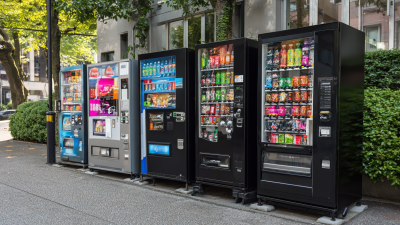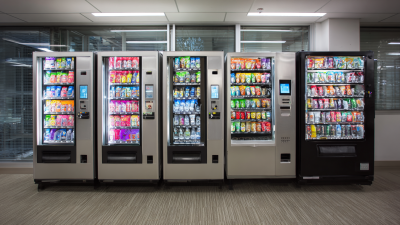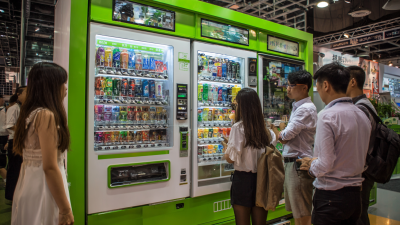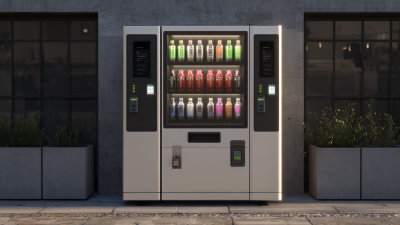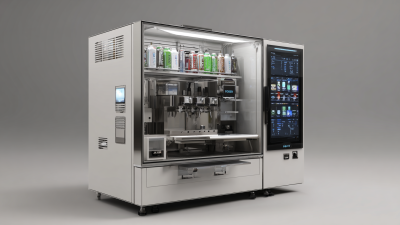
Choosing the right vending options for global buyers requires more than comparing machine prices. It demands practical research, local knowledge, and careful attention to customer habits. A compact snack machine may perform well in a busy Seoul office, yet struggle in a remote Canadian facility with harsh winters. Product sizes, payment preferences, electricity standards, and maintenance access can change the decision completely.
In my experience, successful buyers examine the entire operating environment before selecting equipment. They review payment security, language settings, accessibility, energy use, product temperature, and refill frequency. They also ask who will repair the machine when a screen fails on a holiday weekend. Small details matter. A reliable supplier should provide clear specifications, installation guidance, warranty terms, and responsive technical support. Independent reviews and realistic sales forecasts can strengthen the decision.
There is no universal solution. That point is easy to overlook. Even experienced buyers can underestimate seasonal demand or overvalue attractive features. A machine with advanced software may create unnecessary complexity in a location with limited connectivity. Buyers should compare vending options against local regulations, safety expectations, import requirements, and responsible product standards. They should also test the customer journey, from payment confirmation to product delivery. This guide presents ten practical tips for making that process more disciplined, transparent, and adaptable. It does not promise perfect predictions. Instead, it encourages informed choices, measured testing, and continuous improvement across different markets.
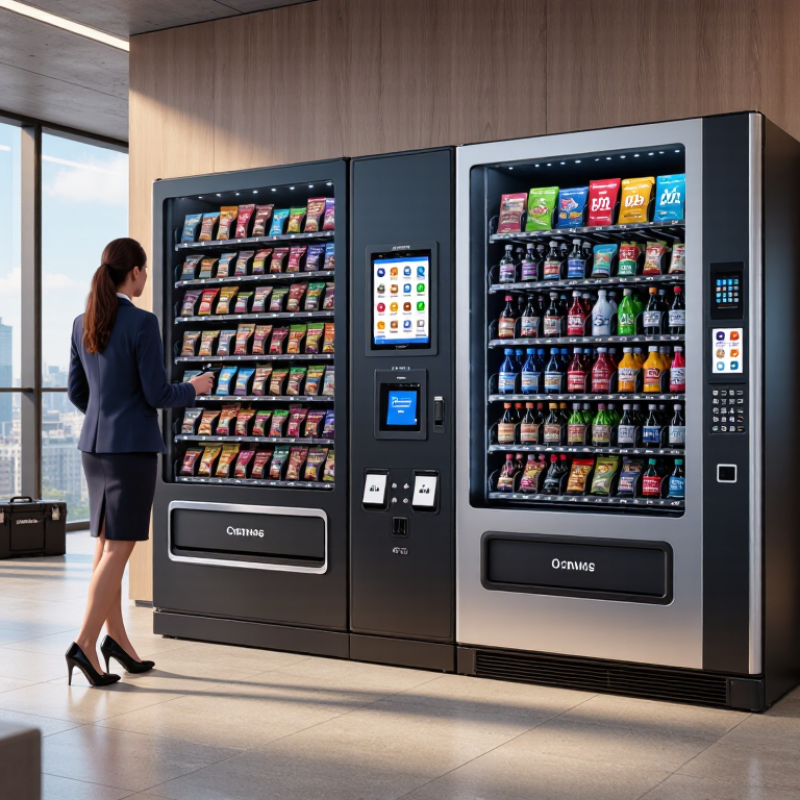
10 Tips for Choosing Vending Options for Global Buyers
Define Buyer Needs, Products, and Sales Goals
Choosing vending equipment should begin with the buyer, not the machine. Grand View Research estimated the global vending machine market at about $21.8 billion in 2023. Its projected growth reflects changing demands for convenience, automation, and cashless purchasing. However, market growth does not guarantee a suitable installation. A refrigerated unit may fail in a hot warehouse without stable temperature control. A compact machine may serve a school well but frustrate travelers needing wider product choices.
Define the customer profile in practical terms. Record purchase frequency, preferred payment methods, package sizes, and peak buying hours. Then match products to the location. Health-focused workplaces may require water, low-sugar drinks, or fresh items. Transport sites may prioritize sealed snacks with longer shelf life. The 2024 Global Payments Report indicates that digital wallets and account-based payments continue gaining importance worldwide. Payment flexibility therefore deserves early testing, especially across currencies and network conditions.
Set measurable sales goals before comparing specifications. Track expected daily transactions, product margins, refill time, and acceptable downtime. A simple spreadsheet helps, but it can still mislead. Seasonal traffic, import costs, and local power standards may change the result. An overlooked detail. Buyers should also verify safety certifications, accessibility requirements, data protection duties, and recycling rules in each target market. Trial deployment is often wiser than a large first order. Reflect on weak assumptions before they become expensive hardware decisions.
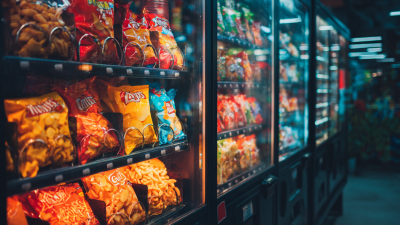
Choosing a vending machine starts with the product, not the cabinet. Coil machines work well for packaged snacks, small boxes, and stable items. They allow customers to see each selection clearly. However, soft packages may twist or become trapped. Test several package shapes before approving a purchase.
For bottles and cans, elevator-style machines reduce impact during delivery. This design suits heavier drinks and fragile containers. Refrigerated units can protect chilled beverages, dairy products, and prepared meals. They require steady power, temperature monitoring, and regular cleaning. Fresh products also need strict stock rotation. A machine that accepts the product may still be unsuitable for its shelf life.
I have seen buyers focus on capacity and overlook the dispensing path. That mistake becomes expensive. Measure product width, height, weight, and packaging flexibility. Check whether the machine handles local voltage, payment methods, humidity, and outdoor temperatures. Glass containers need stronger delivery control. Sticky or dusty products can increase maintenance work. Small regional packaging differences matter too. My early assumption was that one machine could serve every market. It could not. A mixed fleet may cost more, but it often matches products better. Leave room for testing. Real products behave differently from catalogue samples.
How to read this chart: The practical-fit rating ranges from 1 (limited compatibility) to 5 (strong compatibility). Ratings reflect common machine configurations: ambient snack machines suit packaged, shelf-stable goods; refrigerated machines support chilled beverages and fresh food; combination machines handle mixed ambient and chilled products; and frozen machines are designed for frozen items. Buyers should also verify local voltage, climate control, package dimensions, payment standards, accessibility rules, and after-sales service before purchasing.
Choosing vending options for global buyers requires more than accepting cards. Start with ten practical checks: identify local payment habits, support cards and mobile wallets, enable contactless payments, show prices in local currencies, display clear fees, provide multilingual screens, translate error messages, test local character sets, monitor network strength, and add offline transaction safeguards. Keep payment flows short. A hungry customer will not read a manual.
The 2024 Global Payments Report estimates digital wallets represented about half of global e-commerce payments and nearly one-third of point-of-sale payments. That makes wallet compatibility important, but regional preferences still vary. Test small-value purchases with local users before deployment.
The International Telecommunication Union reported that 2.6 billion people remained offline in 2023, while connectivity quality differed sharply between regions. A machine should therefore support stable mobile connectivity, automatic reconnection, and a clear “payment pending” message. It should not silently fail.
Language deserves equal attention. Research published in CSA Research found that 76% of online shoppers prefer product information in their own language, and 40% would not buy in another language. Use plain instructions, readable fonts, and local date formats. Literal translation can still sound wrong. Field trials often expose this weakness. A translated refund message may confuse users if it ignores local payment timing. Review the full customer journey, from product selection to receipt, with native speakers and technicians. Track failed payments, language changes, and connection drops by location, then revise the configuration instead of assuming one global template works.
For global buyers, a vending machine is not ready for export after factory testing. Local compliance, delivery conditions, and service access can decide its real value. The 2023 U.S. Convenience Services Census estimated vending revenue at $18.5 billion in 2022. That scale hides major regional differences.
Tip 1: Verify electrical standards, labeling rules, accessibility requirements, and payment regulations before signing. Tip 2: Ask for certificates accepted by the destination authority, not only factory test reports. Tip 3: Confirm product restrictions, temperature controls, and consumer-protection duties for each market. Tip 4: Check whether the machine supports local voltage, plugs, languages, taxes, and currencies. Small mismatches become expensive.
Tip 5: Request a landed-cost estimate covering freight, customs, insurance, installation, and spare parts. Tip 6: Inspect packaging for humid ports, rough handling, and long storage. Tip 7: Require remote monitoring with clear data-security terms. The 2024 Global Payments Report found digital wallets represented 50% of global e-commerce spending in 2023. Payment flexibility matters, but local approval still comes first. Tip 8: Set a maintenance response time and name the responsible service partner. Tip 9: Keep critical parts nearby, especially locks, cooling units, screens, and payment modules. Tip 10: Test a small pilot before expanding. A perfect checklist does not exist. I still recheck assumptions after the first shipment, because local repair skills are often weaker than sales promises.
| No. | Selection Area | What to Verify Locally | Practical Benchmark | Logistics and Maintenance Check | Buyer Decision Indicator |
|---|---|---|---|---|---|
| 1 | Electrical Compatibility | Confirm the destination voltage, frequency, plug type, grounding rules, and required electrical safety documentation. | Common power systems include 100–127 V or 220–240 V, with frequencies of 50 or 60 Hz depending on the market. | Request a compatible configuration, protection against voltage fluctuation, and access to replacement power components. | Choose only a configuration that can pass local electrical inspection without field modification. |
| 2 | Payment Acceptance | Check accepted payment methods, contactless transaction rules, payment-data security obligations, tax receipts, and refund procedures. | Offer at least two locally relevant payment methods and support offline handling for temporary network interruptions. | Verify terminal replacement, transaction reconciliation, remote monitoring, and a clear failed-payment refund workflow. | Prioritize systems with documented security controls and locally supported payment integration. |
| 3 | Product and Food Safety | Confirm applicable food-contact materials, temperature control, labeling, allergen disclosure, expiration-date management, and sanitation requirements. | Temperature-sensitive products require continuous monitoring and documented corrective action when limits are exceeded. | Check cleaning access, sensor calibration, stock rotation, and local availability of refrigeration and dispensing parts. | Select equipment that supports auditable temperature and cleaning records. |
| 4 | Import and Customs Planning | Identify the correct customs classification, import permits, conformity documents, duties, taxes, and country-of-origin marking rules. | Prepare commercial invoices, packing lists, transport documents, product specifications, and applicable certificates before shipment. | Confirm crate dimensions, gross weight, lifting points, insurance responsibility, and port-to-site delivery arrangements. | Compare total landed cost rather than equipment price alone. |
| 5 | Site and Accessibility Fit | Review installation space, door clearance, floor loading, ventilation, lighting, user reach range, and accessibility requirements. | Measure the full delivery route, including elevators, corridors, doors, turning areas, and final service clearance. | Confirm anchoring, leveling, weather protection, security, and access for technicians and restocking staff. | Approve a site drawing before production or final purchase. |
| 6 | Climate and Environmental Conditions | Assess ambient temperature, humidity, dust, rain exposure, coastal corrosion, sunlight, and indoor or outdoor installation conditions. | Outdoor installations generally need weather-resistant construction, drainage protection, and corrosion-resistant surfaces. | Ask for operating limits, enclosure ratings where relevant, ventilation requirements, and cleaning instructions. | Match the equipment specification to the actual site environment, not the regional average. |
| 7 | Product Mix and Capacity | Evaluate local demand, package dimensions, shelf life, sales velocity, dietary requirements, and permitted product categories. | Use adjustable shelves or spirals when product sizes vary; reserve chilled capacity for products requiring controlled temperature. | Check refill frequency, stock visibility, expiry alerts, and the availability of compatible trays and dispensing mechanisms. | Select capacity based on expected daily demand and delivery frequency. |
| 8 | Connectivity and Data Use | Verify mobile network coverage, SIM or eSIM requirements, data-residency rules, privacy notices, and remote-access permissions. | Remote monitoring should report sales, inventory, temperature, faults, door status, and payment exceptions where applicable. | Confirm network fallback, software-update procedures, cybersecurity responsibilities, and data export options. | Choose an open, documented data arrangement that does not create unnecessary lock-in. |
| 9 | Maintenance and Spare Parts | Confirm service coverage, technician qualifications, warranty terms, response procedures, and local repair obligations. | Keep commonly replaced items such as locks, sensors, fuses, motors, belts, display components, and payment peripherals available. | Ask for preventive-maintenance schedules, troubleshooting guides, training, and a defined escalation path. | Compare expected downtime and parts lead time, not warranty duration alone. |
| 10 | Total Cost and Pilot Testing | Include equipment, shipping, duties, installation, electricity, payment fees, insurance, replenishment, repairs, and end-of-life disposal. | Run a controlled pilot long enough to test demand, payment success, replenishment workload, faults, and customer usage patterns. | Set measurable targets for uptime, stock availability, transaction success, service response, and product waste. | Scale only after the pilot meets compliance, operational, and financial targets. |
Note: Regulatory, electrical, payment, accessibility, food-safety, customs, and data-protection requirements vary by country and installation site. Confirm final requirements with the relevant local authorities and qualified professionals before deployment.
10 Tips for Choosing Vending Options for Global Buyers
Set a realistic budget before comparing vending options. Include equipment, shipping, customs, installation, payment systems, maintenance, and spare parts. Costs hide everywhere. A low purchase price may create higher service expenses later. Buyers should also check voltage requirements, product capacity, cooling performance, and local payment preferences. These details affect the true cost of ownership.
A small pilot can reveal problems that a product sheet cannot show. Place one or two machines in different locations for two to four weeks. Track daily sales, refill frequency, payment failures, temperature stability, and customer feedback. Test common items, such as bottled drinks and packaged snacks. Keep it measurable. Ask local technicians to inspect access points and service time before approving a larger order.
I once underestimated the effect of refill distance on operating costs. The machine performed well, but staff spent too much time reaching it. That mistake changed how I evaluate location efficiency. Global buyers should compare several options using the same scoring sheet. Include reliability, warranty response, software support, energy use, and parts availability. A pilot may produce weak sales because of poor placement, not poor equipment. Review the evidence carefully, and adjust one variable at a time before scaling. Test small. Scale carefully.