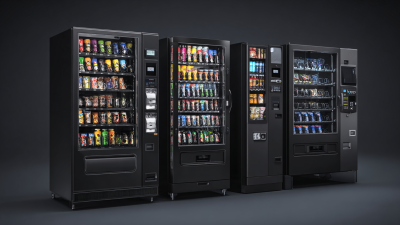
Revolutionizing Convenience with Food and Drink Vending Machines in a Fast Paced World
In today's fast-paced world, the demand for convenience has led to the rapid evolution of food and drink vending machines, transforming the way we access quick refreshments. These advanced vending solutions not only cater to our on-the-go lifestyles but also offer a wide variety of options that go beyond traditional snacks and beverages.
With the integration of technology, modern food and drink vending machines now feature cashless payment systems, touchless interfaces, and even telemetry to monitor stock levels in real-time, ensuring that consumers have a seamless experience. This shift towards digitalization, coupled with the ever-increasing pace of urban life, has made these machines a staple in many public spaces, from office buildings to airports.
By embracing innovative features and diverse product offerings, food and drink vending machines are not just meeting but revolutionizing the convenience expectations of today’s consumers.
Emerging Trends in Food and Drink Vending Machine Technology for Modern Consumers
As the pace of modern life accelerates, food and drink vending machines are evolving to meet the needs of today’s consumers. These machines now incorporate advanced technology that provides greater convenience and personalization. Smart vending machines equipped with touchless payment options, mobile app integration, and real-time inventory management are transforming how people access their favorite snacks and beverages. This evolution not only enhances a user-friendly experience but also enables retailers to track customer preferences and optimize product offerings.
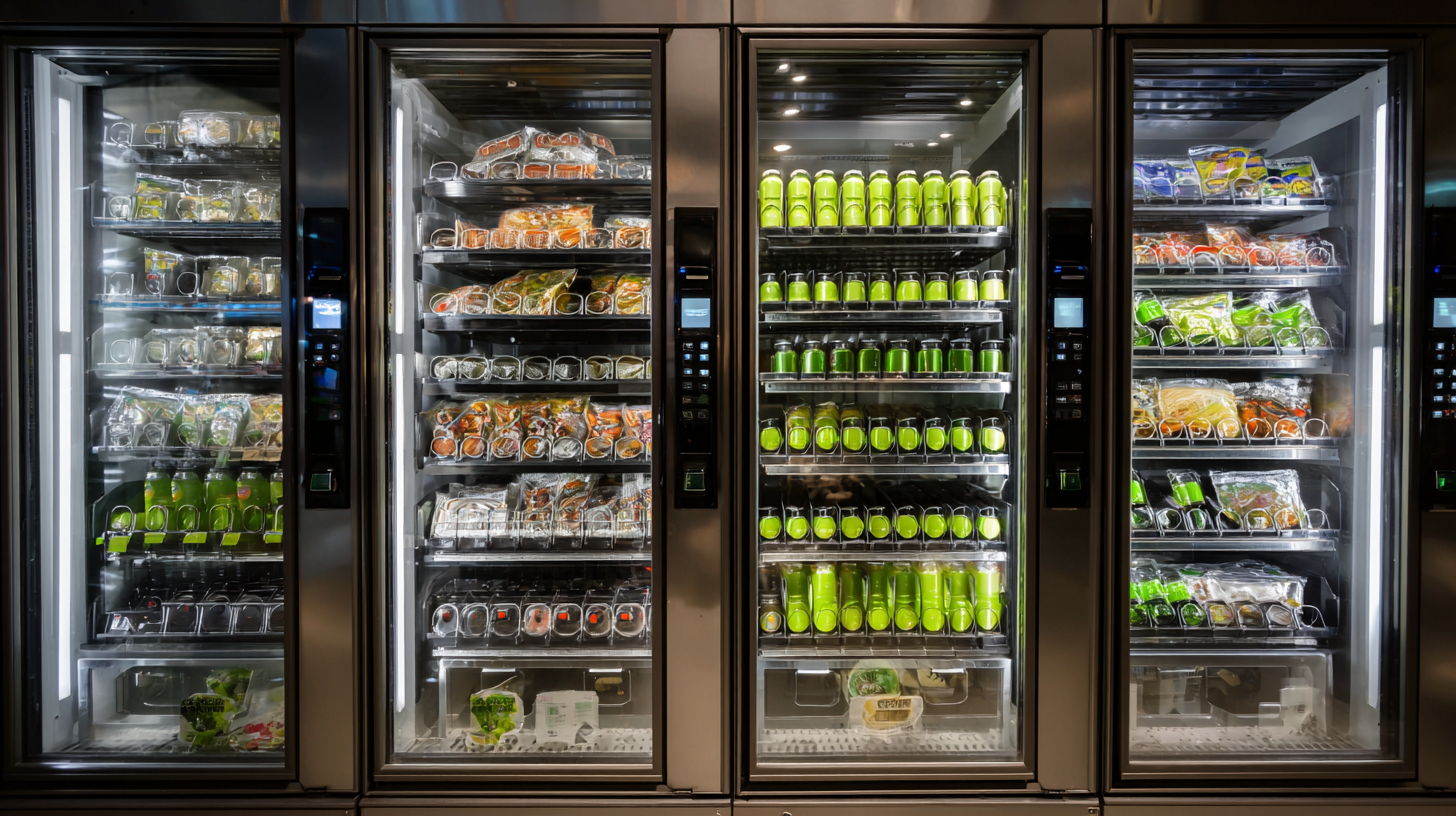
Moreover, sustainability is becoming a core focus in vending machine innovation. Many new machines offer items that cater to health-conscious consumers, including organic and locally sourced products. Enhanced refrigeration technology ensures that perishable goods remain fresher for longer periods, while some machines even feature recycling systems for packaging, promoting environmentally friendly practices. By embracing these emerging trends, food and drink vending machines are not just a source of quick sustenance, but also align with modern consumers' values and lifestyle choices.
Understanding Consumer Preferences: The Shift Towards Healthy Snack and Beverage Options
The shift towards healthier snack and beverage options is significantly reshaping the landscape of food and drink vending machines. As consumers increasingly prioritize health and wellness, data indicates a remarkable transition in preferences. The global smart vending machine market, valued at approximately $1.84 billion in 2025, is projected to experience substantial growth, reaching $15.9 billion by 2035, with a compound annual growth rate (CAGR) of 14.21%. This trend reflects a rising demand for healthier choices in conveniently accessible formats.
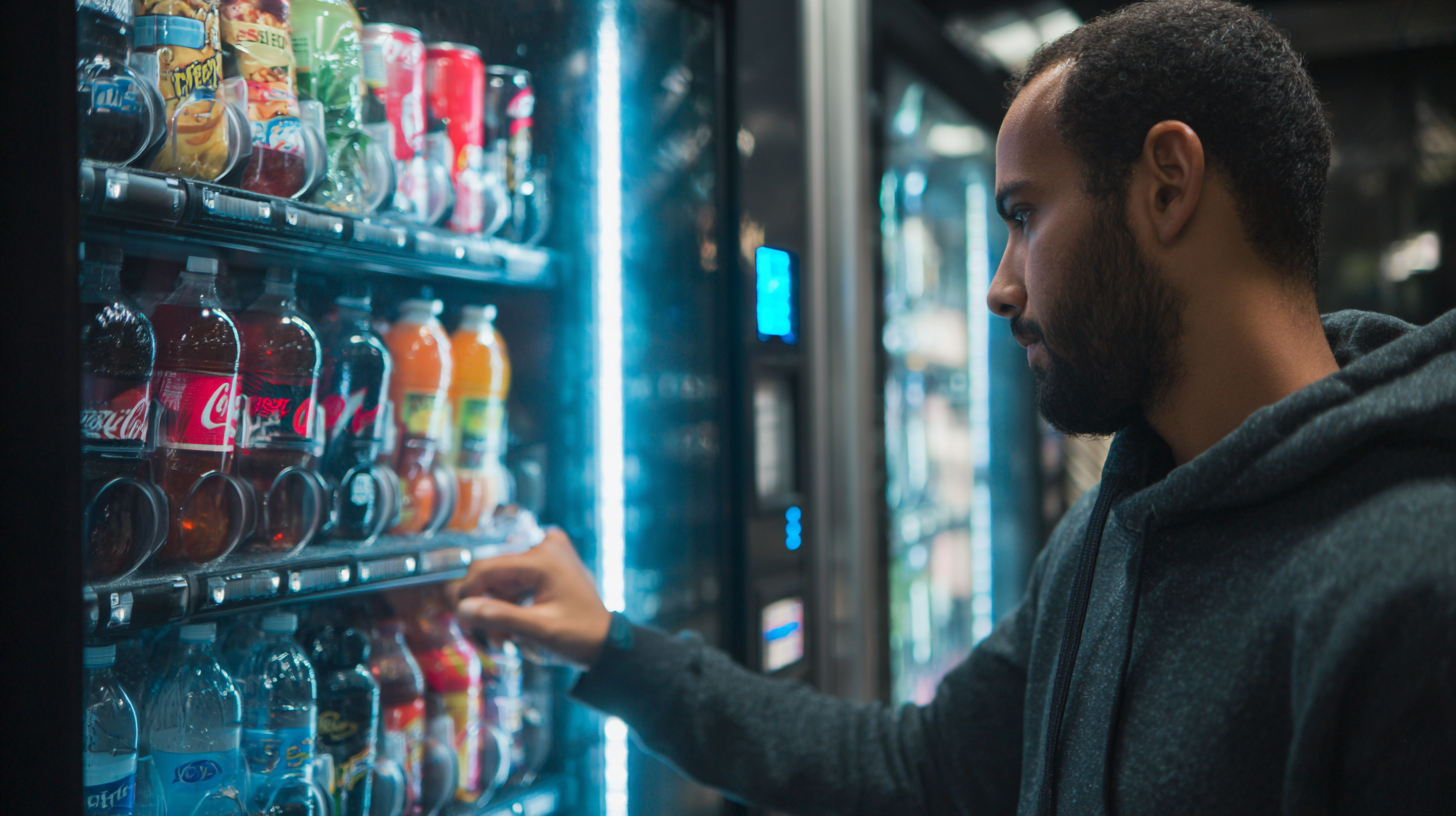
When examining packaging in the snack market, it is crucial to consider the various materials utilized, such as plastics, paper, and metal. Optimizing packaging not only enhances product appeal but also aligns with sustainability goals, as evidenced by the growing preference for eco-friendly materials among consumers. Snacks are increasingly found in bagged formats, flexible packaging, and cans, catering to a diverse range of tastes and dietary needs.
Tips: To meet evolving consumer preferences, operators should focus on offering a balanced selection of traditional snacks alongside innovative, healthy alternatives. Moreover, incorporating clear labeling on packaging can help consumers make informed choices quickly. Engaging with customer feedback will also assist businesses in adapting their offerings to align with the dynamic market landscape.
Market Analysis: The Growth of the Vending Machine Industry Post-Pandemic
The vending machine industry has experienced a remarkable resurgence in the post-pandemic landscape, driven by shifting consumer preferences for convenience and contactless service. According to a report by IBISWorld, the market size of the vending machine industry in the United States reached approximately $7 billion in 2022, with an expected annual growth rate of 4.1% over the next five years. This growth reflects the increasing demand for portable and automated food and drink options, particularly in urban areas where speed and accessibility are paramount.
Furthermore, innovations in technology have played a pivotal role in revitalizing the vending machine sector. The introduction of smart vending machines equipped with cashless payment systems, app integration, and real-time inventory tracking has enhanced user experience. According to a ResearchAndMarkets study, the global smart vending machine market is projected to reach $5.3 billion by 2026, exhibiting a compound annual growth rate (CAGR) of 14.5%. This trend illustrates how businesses are adapting to consumer needs while embracing digital solutions, ultimately catering to a fast-paced lifestyle that prioritizes convenience and efficiency.
Revolutionizing Convenience with Food and Drink Vending Machines in a Fast Paced World - Market Analysis: The Growth of the Vending Machine Industry Post-Pandemic
| Region |
Market Size (Million USD) |
Growth Rate (2021-2026) |
Key Trends |
| North America |
3,000 |
5% |
Contactless payment, healthy options |
| Europe |
2,500 |
4.5% |
Eco-friendly machines, diverse offerings |
| Asia-Pacific |
4,000 |
6% |
Smart machines, integrated tech |
| Latin America |
800 |
3.5% |
Value pricing, regional flavors |
| Middle East & Africa |
600 |
4% |
Luxury offerings, local partnerships |
Enhancing Customer Experience: Smart Vending Machines with Digital Payment Solutions
In today’s fast-paced world, the emergence of smart vending machines is revolutionizing convenience in the food and drink sector. Equipped with digital payment solutions, these machines provide an enhanced customer experience that meets the demands of modern consumers. The global smart vending machine market is anticipated to grow significantly, with projections indicating an increase from $11.47 billion in 2025 to $36.89 billion by 2032, highlighting a remarkable annual growth rate of 18.2%. This growth trend reflects the increasing preference for seamless and quick service options in urban settings.
To optimize the experience further, businesses should consider integrating user-friendly interfaces and diverse product offerings within their smart vending machines. Additionally, implementing cashless payment options such as mobile wallets can streamline transactions, catering to the tech-savvy consumer base. By focusing on accessibility and variety, companies can attract more customers and encourage repeat purchases.
Tips: Ensure that your smart vending machines are equipped with real-time inventory tracking to minimize stock-outs and enhance customer satisfaction. Regularly update the product selection to reflect seasonal trends and local preferences, making the machine a go-to source for consumers on the go.
Enhancing Customer Experience with Smart Vending Machines
This chart illustrates the percentage of customers using different payment methods at smart vending machines, highlighting the shift towards digital solutions in a fast-paced world.
Sustainability in Vending: The Rise of Eco-Friendly Food and Drink Options
The rise of eco-friendly food and drink options
within vending machines is transforming the landscape of convenience in our fast-paced world. As the demand for sustainable consumption grows, innovative companies are beginning to integrate local, plant-based, and sustainable street food into their vending offerings. Events such as We Love Green 2025 showcase this shift by highlighting food programs that prioritize ecological practices and nutritional value, catering not only to consumer convenience but also to environmental consciousness.
Furthermore, recent studies on university food environments reveal that the quality of food available on campuses can significantly impact the dietary choices of students and staff. The push for healthier and more sustainable vending options is echoed in the development of new criteria for public food procurement, aiming to enhance the sustainability of food systems in institutions. As stakeholders from various sectors strive to meet the increasing demand for environmentally responsible choices, the vending machine market is poised to evolve rapidly, reflecting a broader commitment to sustainability and health in our everyday lives.