How to Start a Successful Vending Machine Business in 2025
The vending machine business is poised for remarkable growth in the coming years, driven by advancements in technology and evolving consumer preferences. According to a report from IBISWorld, the vending machine industry in the U.S. is projected to grow at an annual rate of 4.5%, reaching over $37 billion by 2025. This growth is fueled by increasing demand for convenience and the rise of cashless payment systems, which are making vending machines more accessible than ever before.
Moreover, the changing landscape of consumer behavior, particularly in the wake of the pandemic, has led to a shift toward healthier snack options and automated retail. A survey from the National Automatic Merchandising Association (NAMA) revealed that 61% of consumers are now more inclined to purchase products from vending machines that offer healthy alternatives. This presents a unique opportunity for entrepreneurs looking to enter the vending machine sector, as aligning with consumer trends can significantly enhance profitability.
As you explore how to start a successful vending machine business in 2025, understanding these industry dynamics and leveraging the latest technologies will be key. From strategically selecting high-traffic locations to curating product offerings that satisfy consumer demands, the potential for success in this sector is substantial for those who are well-prepared.
Identifying Profitable Locations for Vending Machines in 2025
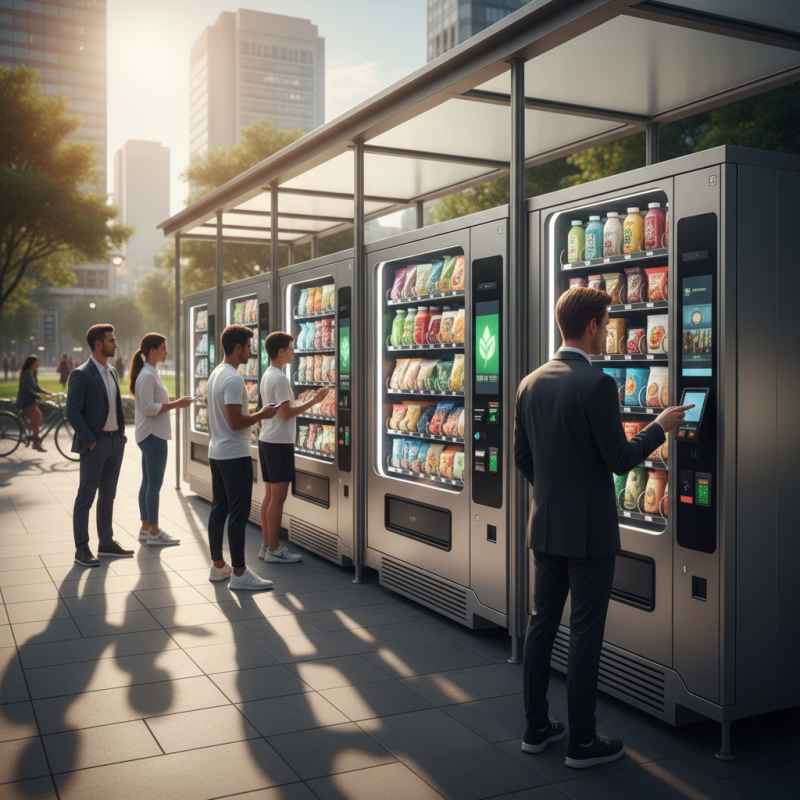
Identifying lucrative locations for vending machines in 2025 is crucial for maximizing profitability in this competitive industry. According to a report from IBISWorld, the vending machine industry's revenue is projected to grow by 3.2% annually over the next five years, driven largely by demand in high-traffic areas. Key locations include office complexes, educational institutions, transportation hubs, and hospitals. These sites benefit from a steady flow of foot traffic and have established customer bases that are often looking for convenient food and beverage options.
In particular, locations such as gyms and fitness centers have emerged as profitable spots for vending machines. A recent study by Statista indicated that health-conscious consumers are increasingly seeking nutritious snacks and beverages, making these venues ideal for placing machines that cater to this demand. Furthermore, the rise of remote work has also shifted focus toward residential areas, suggesting that strategically placed vending machines in neighborhoods could capture this emerging market segment. Overall, understanding demographic trends and consumer preferences will help entrepreneurs select the most effective locations to optimize their vending machine business in 2025.
How to Start a Successful Vending Machine Business in 2025 - Identifying Profitable Locations for Vending Machines in 2025
| Location Type |
Potential Customer Traffic |
Average Revenue per Month |
Initial Setup Cost |
Inventory Considerations |
| Office Buildings |
High |
$1,500 |
$3,000 |
Snacks, Drinks, Office Supplies |
| Schools and Universities |
Very High |
$2,000 |
$3,500 |
Healthy Snacks, Beverages |
| Gyms and Fitness Centers |
Medium to High |
$1,200 |
$2,800 |
Protein Bars, Sports Drinks |
| Hospitals and Medical Facilities |
High |
$1,800 |
$3,200 |
Nutritional Snacks, Drinks |
| Shopping Malls |
Very High |
$2,500 |
$4,000 |
Variety of Snacks and Drinks |
Choosing the Right Products to Stock in Your Vending Machine Business
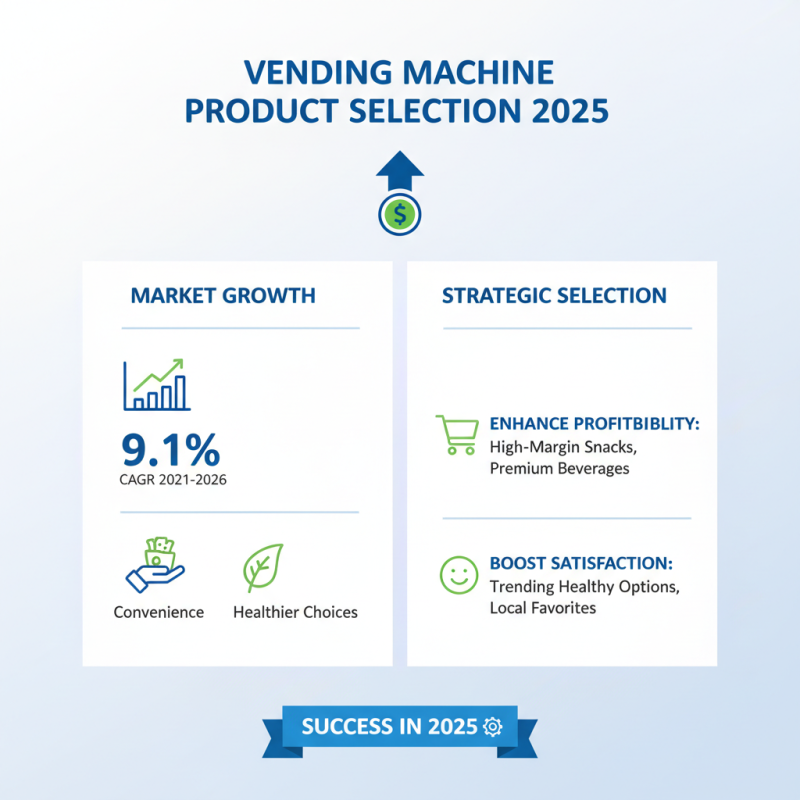
Choosing the right products to stock in your vending machine business is crucial for success in 2025. According to industry reports, the vending machine market is projected to grow at a compound annual growth rate (CAGR) of 9.1% from 2021 to 2026. This growth is largely driven by the increasing demand for convenient snacking options and healthier choices. Therefore, a strategic approach to product selection can significantly enhance profitability and customer satisfaction.
Health-conscious snacks and beverages are becoming increasingly popular among consumers, with a report from IBISWorld indicating that the healthy snack segment is expected to reach $32 billion by 2025. Offering a mix of traditional snacks alongside healthier alternatives, such as protein bars, organic chips, and flavored water, can cater to a diverse customer base. Furthermore, incorporating local and artisanal products can set your vending machines apart, tapping into the growing trend of supporting local businesses.
Additionally, embracing technology can play a critical role in product selection. Data analytics tools can provide insights into consumer preferences and purchasing patterns, enabling you to adjust your inventory dynamically. According to a survey by the National Automatic Merchandising Association (NAMA), 70% of vending operators believe that using data to optimize stock has a positive impact on sales. Therefore, leveraging technology to understand real-time demand will not only enhance your product offering but also maximize your vending machine's potential in a competitive market.
Understanding the Initial Costs and Financing Options for Start-up
Starting a vending machine business in 2025 can be an exciting venture, but understanding the initial costs and financing options is crucial for success. According to industry reports, the average startup cost for a vending machine business ranges from $3,000 to $8,000 per machine, including purchasing the machine, initial inventory, and location fees. Factors such as the type of machines, products offered, and the locations you choose can significantly impact your initial investment.
Financing options for your vending machine business can vary. Many entrepreneurs opt for personal savings or small business loans. According to the U.S. Small Business Administration, small business loans can cover a significant portion of startup costs, often providing up to 80% of your capital needs. Additionally, looking into partnerships or investors could ease the financial burden while expanding your business network.
Tips: Consider starting with a few machines in high-traffic areas to gauge profitability before expanding. Research zoning laws and compliance regulations in your area to avoid unexpected costs down the line. Lastly, always keep your inventory fresh and aligned with consumer trends to maximize sales.
Implementing Technology and Trends in Modern Vending Solutions
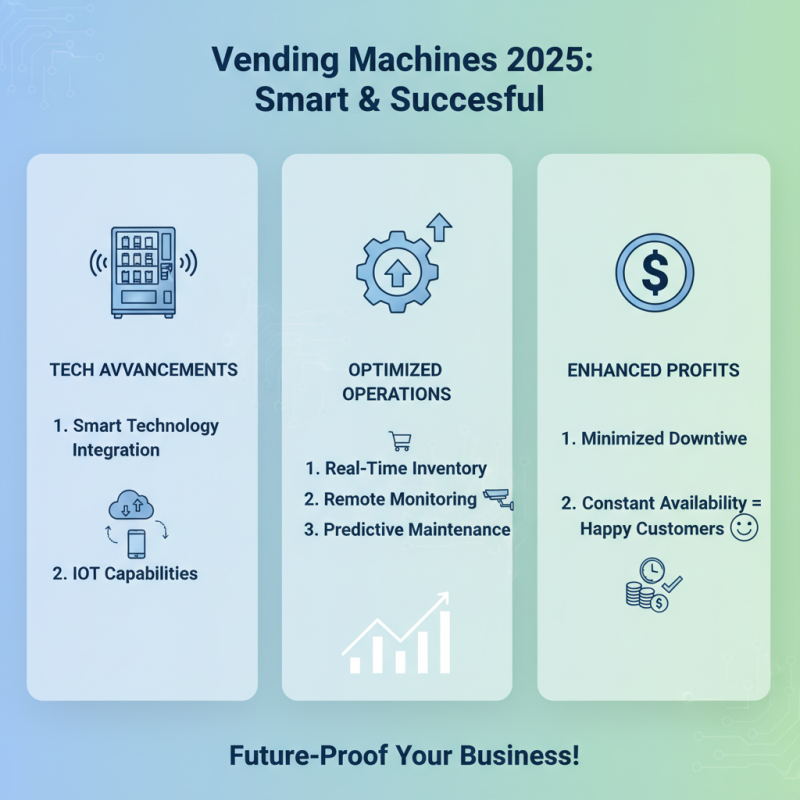
In 2025, starting a successful vending machine business requires embracing the latest technology and market trends to enhance customer experience and streamline operations. One of the most significant advancements is the integration of smart technology in vending machines. These machines can be equipped with IoT (Internet of Things) capabilities, allowing for real-time inventory tracking, remote monitoring, and maintenance alerts. This not only optimizes stock levels but also minimizes downtime, ensuring that popular items are always available to meet consumer demand.
Moreover, consumer preferences are shifting towards healthier, more convenient options. Vending solutions that incorporate touchless payment systems, such as mobile wallets and contactless cards, cater to the growing need for hygiene and speed in transactions. Implementing user-friendly interfaces with customizable product selections can also attract tech-savvy customers looking for a personalized shopping experience. Additionally, utilizing data analytics can help business owners understand purchasing trends, enabling them to adjust offerings and marketing strategies to align with current consumer behaviors. Staying ahead of these trends is crucial for establishing a vending business that resonates with the demands of modern consumers.
Marketing Strategies to Attract Customers to Your Vending Machines
In 2025, the vending machine industry is poised for substantial growth, projected to reach a market size of approximately $25 billion, driven by increasing consumer demand for convenience and automation. To effectively attract customers to your vending machines, implementing innovative marketing strategies is crucial. One proven method is to leverage location-specific advertising, such as targeting high-traffic areas like office buildings, schools, and shopping malls. According to a recent industry report, vending machines located in strategic locations can increase sales by up to 30%, as accessibility plays a significant role in consumer behavior.
Additionally, enhancing customer engagement through digital platforms can significantly boost visibility and sales. Utilizing social media to promote special offers, seasonal products, or unique features of your vending machines allows you to connect directly with your target audience. A study from the National Automatic Merchandising Association (NAMA) indicated that businesses employing digital marketing strategies experienced a 25% increase in customer interactions. Incorporating mobile payment options and loyalty programs also aligns with consumer preferences for convenience, fostering repeat business and encouraging customer loyalty. By blending traditional marketing tactics with a digital presence, vending machine operators can create a robust strategy that resonates with a diverse customer base.
Vending Machine Sales by Product Category in 2025
This chart displays the projected sales distribution of various product categories in vending machines for the year 2025. The data indicates a strong preference for snacks and beverages, highlighting key areas for strategic marketing efforts.