What Are the Top Types of Drink Vending Machines?

Choosing the right drink vending machine begins with understanding where it will operate. A busy railway station needs fast service, broad product selection, and reliable cashless payments. A small office may value quiet operation, compact design, and lower energy use. Outdoor locations demand weather protection, strong locks, and clear product visibility.

This guide examines the top types of drink vending machines and their practical strengths. Cold beverage machines can hold bottled water, soft drinks, juices, and sports beverages. Hot drink machines prepare coffee, tea, and cocoa through measured brewing systems. Combination machines offer drinks with snacks, saving floor space in schools, workplaces, and hospitals. Fresh beverage machines may dispense juice or chilled milk, but they require stricter cleaning routines and careful temperature monitoring.

Small details matter.

An experienced operator checks delivery routes, refill frequency, payment compatibility, and spare-part access before purchasing. Product capacity also affects daily workload. A machine holding 300 cans may suit a crowded venue, while a smaller model can reduce waste in a quiet lobby. Energy ratings, refrigeration performance, touchscreen reliability, and remote inventory alerts deserve equal attention. These features sound impressive, but they do not always produce better returns.

No machine is perfect.

Maintenance records, supplier support, and user feedback often reveal more than advertisements. This overview compares each drink vending machine category through practical use, operational reliability, hygiene expectations, and customer convenience. The goal is not to promote one universal solution. It is to help readers make a measured choice for their location, budget, and service demands.
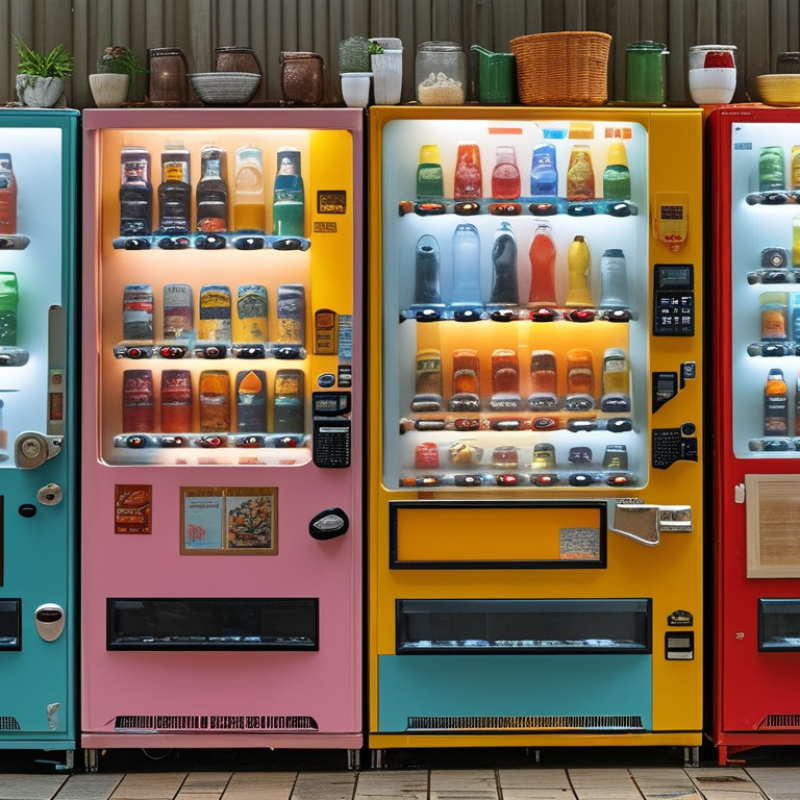
What Are the Top Types of Drink Vending Machines?

What Is a Drink Vending Machine?

A drink vending machine is an automated cabinet that stores and dispenses beverages without a staffed counter. Users select a drink, complete payment, and collect it from a delivery slot. Inside, motors, shelves, sensors, and control software coordinate each transaction. A refrigerated model keeps bottled water, juice, or soft drinks cold. An ambient machine stores shelf-stable drinks at room temperature. Hot beverage machines prepare coffee, tea, or similar drinks through measured water and ingredient systems.

The main types differ by temperature control, product format, and serving method. Chilled machines usually use insulated compartments and cooling units. Their display may show product images, prices, and availability. Can and bottle machines are common in offices, schools, transport areas, and public buildings. Hot drink machines need regular cleaning because liquid residue can affect taste and hygiene. Combination machines offer drinks with snacks, but their larger cabinets require careful stocking.

A reliable machine needs more than an attractive screen. It should release products smoothly, show clear prices, accept accessible payment methods, and report low stock accurately. Operators also check internal temperatures, clean contact surfaces, and inspect the delivery mechanism. Small faults matter. A cold drink is useless if the door jams. The definition sounds simple, but daily performance depends on maintenance, placement, and thoughtful product selection. Even a well-designed machine can disappoint when its cooling system is overloaded or its instructions are unclear.

How Are Drink Vending Machines Classified?

What Are the Top Types of Drink Vending Machines?

How Are Drink Vending Machines Classified?

Drink vending machines are commonly classified by the beverages they store and the temperature they maintain. Cold-drink machines use refrigerated compartments for water, juice, milk drinks, and carbonated beverages. Hot-drink machines heat water for coffee, tea, cocoa, or similar powdered beverages. Ambient machines do not actively chill products. They suit sealed drinks that remain stable at room temperature.

Another classification uses the dispensing method. Bottle and can machines release sealed containers through spirals, lifts, or controlled drop systems. Cup-dispensing machines mix or pour a drink into a cup inside the unit. Some machines offer both chilled bottles and freshly prepared drinks, but their internal systems are more complex. They need clear cleaning schedules, ingredient checks, and temperature monitoring. Small details matter. Nozzles and drip trays need special attention.

Location also shapes the machine type. Compact countertop units fit offices, clinics, and reception areas. Freestanding models hold more products and suit stations, schools, or busy workplaces. Outdoor machines require stronger locks, weather protection, and brighter screens. Payment options create another category, including coins, cards, and contactless systems. Accessibility should guide the layout, including screen height and readable instructions. Not always. A machine may belong to several groups at once. Choosing by appearance alone can cause service problems later. Capacity, cleaning access, refill frequency, and local user habits deserve equal consideration.

What Are the Main Types of Drink Vending Machines?

Drink vending machines generally fall into several practical categories. The most common type dispenses chilled cans or bottles. It suits stations, schools, offices, and outdoor locations with steady foot traffic. A glass-front cabinet helps customers check temperature and stock quickly. These machines need reliable cooling, strong shelves, and frequent checks for expired products. In my experience, product visibility affects sales more than many operators expect. Small details matter.

Hot drink vending machines prepare coffee, tea, cocoa, or powdered beverages inside the unit. They use heated water, ingredient hoppers, mixing chambers, and paper-cup dispensers. They work well in workplaces where people want a warm drink without a staffed counter. Cleaning is critical because residue can affect taste and hygiene. Operators should inspect water systems daily, although busy sites may require more attention. This category sounds simple, but calibration can be surprisingly demanding.

Combination vending machines offer snacks and drinks in one cabinet. They save floor space and simplify purchasing. However, their mixed layout may reduce drink capacity. A narrow coil can also struggle with certain bottle shapes. Fresh beverage machines provide chilled juice, smoothies, or other prepared drinks. They often require stronger refrigeration and shorter restocking cycles. Their appeal is clear, but waste control can be difficult. A machine may look modern while still needing careful manual supervision. Water-dispensing machines are another option for offices and public facilities. They can reduce disposable packaging, but filter replacement and sanitation records must remain consistent.

What Are the Top Types of Drink Vending Machines? - What Are the Main Types of Drink Vending Machines?

Machine Type Typical Drinks Storage Temperature Typical Capacity Best Locations Main Advantages Key Considerations
Cold Drink Vending Machine Bottled water, soft drinks, juices, sports drinks, and energy drinks Usually chilled, approximately 2–8°C (36–46°F) About 100–500 containers, depending on size and product mix Offices, schools, hospitals, transit areas, gyms, and shopping centers Broad product selection, strong everyday demand, and convenient chilled service Requires electricity, temperature control, regular restocking, and refrigeration maintenance
Ambient Drink Vending Machine Shelf-stable water, juice boxes, powdered beverages, and canned drinks Room temperature; product labels determine storage requirements About 80–300 items in compact or full-size models Indoor workplaces, apartment buildings, schools, and low-energy sites Lower energy use, simpler operation, and generally lower maintenance needs Does not provide chilled drinks and must only dispense products suitable for ambient storage
Hot Beverage Vending Machine Coffee, tea, hot chocolate, soup, and hot water Brews or dispenses beverages at serving temperatures, commonly around 70–90°C (158–194°F) Often 100–500 servings before replenishment, depending on ingredients and cup storage Offices, factories, universities, hospitals, hotels, and transport hubs Provides freshly prepared drinks and can offer several recipes from one unit Needs water management, ingredient refills, sanitation, and protection against hot-liquid hazards
Fresh Juice Vending Machine Freshly squeezed orange juice and other made-to-order fruit beverages Refrigerated ingredients, commonly maintained at or below 8°C (46°F) Usually lower than packaged-drink machines; commonly about 20–100 servings Shopping centers, airports, hospitals, fitness centers, and premium food-service areas Offers a visible fresh-preparation experience and supports premium pricing Requires frequent cleaning, strict food-safety procedures, fresh ingredients, and more service attention
Frozen Beverage or Slush Machine Slush drinks, frozen fruit beverages, and other semi-frozen refreshments Product is held in a partially frozen state, typically below normal refrigeration temperature Commonly 10–50 liters of beverage mixture across one or more hoppers Cinemas, amusement parks, convenience locations, events, and seasonal venues Distinctive product format, strong appeal in warm weather, and visual merchandising value Higher cleaning demands, greater power consumption, and possible seasonal fluctuations in demand
Water Vending Machine Filtered, purified, chilled, or ambient drinking water Ambient or chilled, depending on the configuration Measured by dispensing volume; commonly supports multiple refills per day Residential complexes, offices, campuses, public facilities, and retail locations Can reduce single-use packaging and provide convenient access to drinking water Requires reliable water treatment, filter replacement, hygiene monitoring, and a suitable plumbing connection
Combination Drink and Snack Machine Bottled or canned drinks together with packaged snacks Usually includes a refrigerated section for drinks and an ambient section for snacks Approximately 150–500 total selections, depending on compartment layout Offices, schools, factories, hotels, residential buildings, and public waiting areas Provides two product categories in one footprint and may increase convenience for users Larger footprint, more complex inventory management, and potentially higher power consumption

Note: Capacity, temperature, and serving figures are typical operating ranges. Actual specifications vary by machine design, product packaging, climate, usage, and local food-safety requirements.

Which Features Define Each Vending Machine Type?

What Are the Top Types of Drink Vending Machines?

Refrigerated beverage machines are designed for bottled and canned drinks. Their key features include adjustable cooling, visible product windows, and spiral dispensing systems. Strong insulation helps maintain stable temperatures during busy hours. Sensors can detect empty selections and prevent failed purchases. These machines suit gyms, offices, transport areas, and outdoor locations. However, cooling performance may drop when doors open repeatedly. Site placement still matters.

Hot drink vending machines use boilers, powder or fresh ingredients, and internal cup dispensers. They often offer coffee, tea, cocoa, and adjustable sugar levels. Important features include temperature control, automatic rinsing, and sealed ingredient storage. Cold cup machines may add ice, flavor choices, and chilled water. Combination machines save floor space by serving several drink categories together. They need more frequent cleaning and careful stock checks. Hygiene cannot be treated as a minor setting.

Fresh beverage machines focus on short preparation cycles and visible ingredients. They may include mixing chambers, refrigerated storage, and touchless payment options. Real-time monitoring can report temperature changes, sales levels, and service alerts. This improves reliability, but connected systems require secure maintenance. A cheaper machine is not always the practical choice. Operators sometimes overlook noise, refill access, or cleaning time. There is no perfect type. The right features depend on traffic, climate, power access, and customer expectations.

How Do You Choose the Right Drink Vending Machine?

Choosing the right drink vending machine starts with the location, not the machine’s appearance. A busy office may need a compact can vending machine with coffee, water, and low-sugar drinks. A school or gym may benefit from a refrigerated bottle machine with clear product visibility. Mixed-use models offer more variety, but they require extra space and regular restocking.

Measure the available area carefully. Leave room for customers to stand, open doors, and move safely. Check power requirements before delivery. Refrigerated machines usually consume more electricity than non-chilled models.

Review daily demand, too. A small machine can work well in a quiet reception area, while a large-capacity model suits a factory or transport hub.

Payment options also influence convenience. Cashless payments can speed up purchases, but a reliable cash option may still matter in some locations. Ask about temperature control, product rotation, cleaning access, and fault alerts. Maintenance details are easy to overlook. They should not be.

I would compare the total operating cost, not only the purchase price. Include energy use, delivery, repairs, payment fees, and lost sales during downtime. A machine with advanced screens may look impressive, yet simple controls can be easier for staff and customers. My own preference would be practical visibility over decorative features. Still, that choice may change when the location depends on premium presentation.