What Is a Vending Machine Provider?
A vending machine provider does more than deliver a machine and leave it in a hallway. The provider helps a business choose equipment, stock suitable products, process payments, and keep the machine working. Picture a break room at 10 a.m.: coffee cups are empty, a payment screen is frozen, and employees have only a few minutes. A dependable provider plans for these ordinary moments.
Vending machine providers may offer traditional snack machines, refrigerated food units, coffee equipment, or cashless payment systems. Their services vary. Some sell or lease equipment; others manage inventory, repairs, and sales reporting. Before choosing one, businesses should ask about refill schedules, response times, product options, pricing, and service-area coverage. A clear agreement matters. So does a real person who answers when a machine fails.
NAMA industry leader Carla Balakgie is a relevant voice in the convenience-services field. I cannot verify a verbatim quotation from her on this specific topic, so the following is an editorial paraphrase, not her exact words: “Convenience depends on reliable service as much as on the machine itself.” That distinction is easy to miss. A sleek touchscreen means little if popular items stay sold out or faults go unanswered. Providers also need to learn what users actually buy, not just what looks good in a product list. Even careful planning can miss the mark; sales patterns change, and feedback may be blunt. The sections ahead explain what providers do, how their services differ, and what businesses should check before signing an agreement.
Definition and Role of a Vending Machine Provider
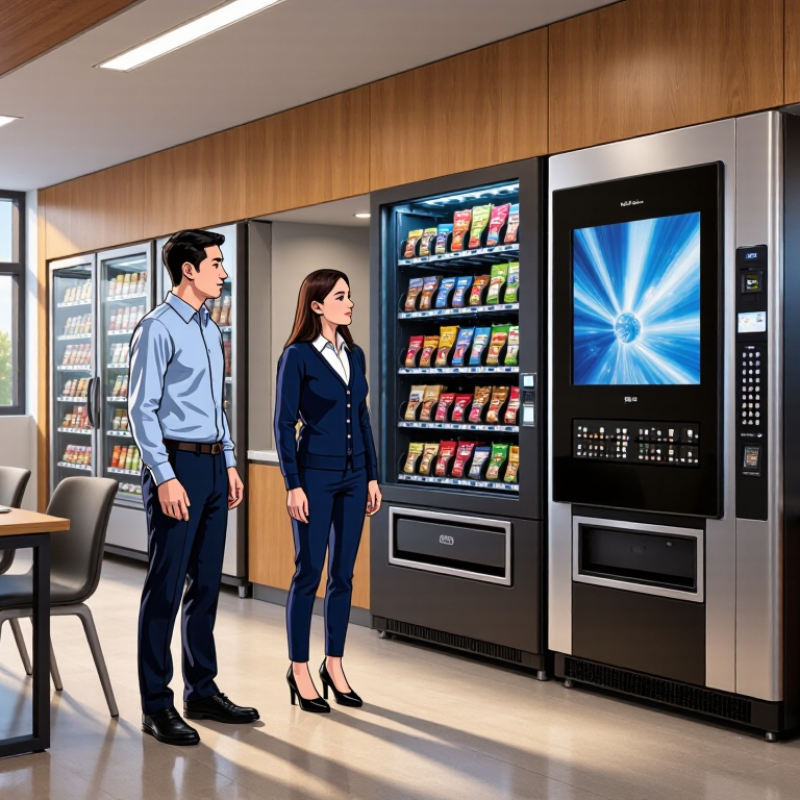
A vending machine provider is a service partner that supplies, installs, and maintains machines for a business or property. The provider may help select equipment based on available space, expected foot traffic, and the kinds of products customers need. The role often extends beyond delivery. A provider can plan placement, set up payment options, arrange product refills, and respond when a machine stops working. Small details matter. A machine placed near a busy entrance may attract more use, but it can also block a walkway if the space was measured poorly.
Ongoing service may include checking stock, cleaning surfaces, monitoring temperatures for perishable items, and repairing mechanical or payment problems. Some providers also share sales or inventory reports, helping operators adjust product choices and refill schedules. These reports are useful, though they do not explain every customer’s choice. A popular item may sell out before a scheduled visit, while another sits untouched. Even an experienced provider can misjudge demand, especially when a workplace changes shifts or a building’s visitor traffic varies by season. Before agreeing to service, operators should clarify who owns the machine, which costs apply, how quickly repairs are handled, and who is responsible for unsold products.
Core Services Offered by Vending Machine Providers
A vending machine provider does more than supply equipment. The service usually begins with a site visit to understand foot traffic, available space, and power access. A technician may measure a break-room corner, check door clearance, and discuss which products suit the people using the machine. The provider can recommend machine size, payment options, and delivery schedules. Installation may include setup, testing, and instructions for basic use. Clear pricing and service terms matter. Small details matter.
After installation, providers commonly handle restocking, inventory checks, cleaning, and repairs. Some track sales to identify popular items and reduce empty slots. A practical restocking plan accounts for busy shifts, seasonal changes, and storage limits. Technicians may also inspect cooling systems, dispense mechanisms, and payment readers during routine visits. If a card reader stops working, responsive support can prevent days of lost sales. The service is not always seamless: deliveries can run late, and sales data may not explain why a product is unpopular. Providers should share service records and discuss adjustments with the site manager, rather than treating every location alike.
How Vending Machine Provider Operations Work
What Is a Vending Machine Provider?
How Vending Machine Provider Operations Work
A vending machine provider coordinates equipment, stock, delivery, and ongoing service for a location. The work often starts with a site visit. Staff check foot traffic, opening hours, power access, and available floor space. A machine that fits neatly beside a doorway may still obstruct people carrying bags. Small details matter.
After choosing a suitable machine, the provider and site manager agree on product selection, refill schedules, payment methods, and service responsibilities. During routine visits, staff replenish items, clean touch surfaces, check equipment, and remove products nearing their use-by dates. They may also review sales records to adjust stock. If bottled water sells out each afternoon, more frequent restocking may make sense.
Data is helpful, but not perfect. A machine outage or an unusual event can distort sales figures, so staff should check the site conditions before changing the product mix. Providers also need a clear way for customers to report failed payments or empty selections. A quick response can prevent a small issue from lingering for days. These routines vary by location, and schedules sometimes need adjustment.
What Is a Vending Machine Provider? How Provider Operations Work
Food-safety temperature controls are one part of operating food vending machines.
The FDA Food Code sets cold holding at 41°F (5°C) or below and hot holding at 135°F (57°C) or above for time/temperature control for safety foods. Where these foods are sold, providers monitor equipment, replenish stock, and arrange cleaning and maintenance. The Food Code is a model standard; local requirements may vary.
Factors to Consider When Choosing a Provider
What Is a Vending Machine Provider?
A vending machine provider can supply equipment, select products, restock shelves, and handle repairs. The scope varies. Some providers manage every task; others leave stocking or maintenance to the site. Before choosing, clarify who owns the machine, who pays for repairs, and how often staff visit. A low quote may omit important services.
Check route coverage, product flexibility, payment options, and service response times. Ask for references from sites with similar foot traffic, then verify the provider’s stockout and repair records.
The National Automatic Merchandiser Association’s 2023 State of the Industry report estimated $26.6 billion in U.S. convenience-services revenue. That figure covers a broader sector, including vending and other formats; it is not a vending-only sales estimate. Still, it highlights the scale of the service landscape.
Put fees, refill schedules, reporting access, and cancellation terms in writing. Small details matter. I’d also ask how the provider handles a machine that repeatedly fails; a polished proposal cannot answer that by itself.
Tips: Watch a refill visit if possible. Note whether shelves are clean, popular items are available, and the technician checks the payment reader. Ask for a sample sales and stock report before signing.