
How to Choose the Best Vending Solutions for Your Business?
Choosing the right vending solutions can shape daily sales, customer satisfaction, and operating costs. A machine may look impressive, yet perform poorly beside a quiet corridor. Location, audience, product demand, and service access matter more than appearance.
Vending industry consultant David Llewellyn has said, “Vending is no longer just about snacks and drinks; it is about convenience, choice, and technology.” This view remains useful when comparing traditional machines, smart kiosks, micro-markets, and cashless systems. A fitness center may need chilled water, protein snacks, and contactless payment. An office may prefer fresh meals, coffee, and reliable stock alerts.
The strongest decision begins with real observation. Track foot traffic during morning, lunch, and evening periods. Measure the available space, including door clearance and replenishment access. Check whether the machine supports cards, mobile wallets, receipts, temperature control, and remote inventory monitoring. Ask how quickly technicians respond when a payment reader fails.
Cost deserves a closer look. The lowest purchase price may hide frequent maintenance, weak software, or limited product capacity. The most advanced system may also exceed a small business’s needs. There is no perfect setup. That assumption can fail.
A practical plan tests demand before expansion. Start with a focused product range, review sales weekly, and remove slow-moving items. Choose lawful, clearly labeled products that suit local safety and consumer requirements. This guide explores how to compare vending solutions with evidence, realistic budgets, and enough flexibility for changing customer habits.
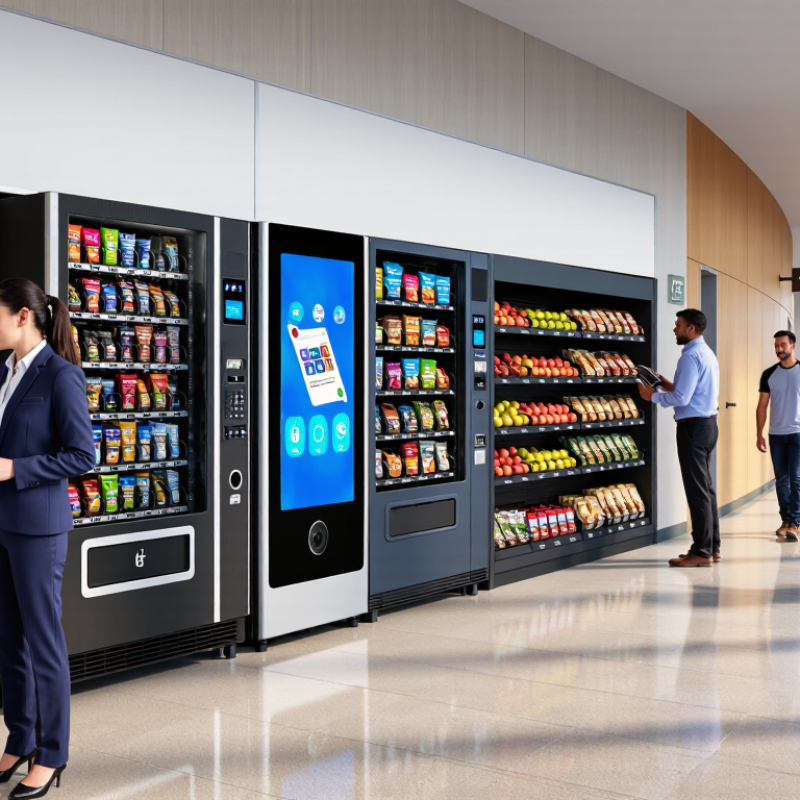
Understanding Your Business Needs and Vending Goals
Choosing the best vending solution starts with understanding your business, not browsing equipment catalogs. A warehouse may need fast meals during night shifts, while a hotel may prefer quiet machines with snacks and beverages. Review foot traffic, peak hours, available floor space, and employee preferences. A small office with 35 workers should not be managed like a busy transport hub.
Set clear goals before discussing machine features. Do you want to improve convenience, support staff wellness, or create an additional revenue channel? Record current purchasing habits for several weeks. Check which products sell, when demand rises, and how often stock runs out. This practical evidence helps you select capacity, payment options, refrigeration, and service frequency. A clean, accessible location also affects usage. It matters more than many owners expect.
Tips: Start with a short pilot period. Place a machine near the busiest break area, then measure sales and user feedback. Offer varied choices, including healthier options and products for common dietary needs. Keep prices visible and restock before popular items disappear. Ask users what they actually want. People may request fresh food, then choose familiar snacks instead. Review the results honestly; an attractive setup can still fail if the location, pricing, or product mix is wrong. Ensure the equipment supports safe operation, reliable maintenance, accessibility, and all applicable local requirements.
How to Choose the Best Vending Solutions for Your Business? - Understanding Your Business Needs and Vending Goals
| Business Need | Recommended Vending Solution | Suitable Locations | Typical Product Mix | Key Operating Metric | Planning Considerations |
|---|---|---|---|---|---|
| Quick access to snacks and drinks | Combination machine with separate snack and beverage compartments | Offices, schools, warehouses, transport facilities | Bottled water, packaged drinks, energy drinks, chips, confectionery, and healthier snack options | Sales by product category and stockout rate | Review product demand during the first 30–60 days and adjust selections by location. |
| Fresh and healthier food choices | Refrigerated food machine with temperature monitoring | Hospitals, universities, corporate campuses, fitness centers | Salads, sandwiches, fruit cups, yogurt, granola bars, and low-sugar beverages | Waste percentage, sell-through rate, and temperature compliance | Use smaller replenishment quantities and more frequent service because fresh products have limited shelf life. |
| Cashless and convenient payments | Machine with card, mobile wallet, and contactless payment support | High-traffic public and workplace environments | Fast-moving items with clear prices and simple product selection | Payment authorization rate and cashless transaction share | Confirm network coverage, transaction fees, refund procedures, and offline payment handling. |
| Limited space | Compact machine or wall-mounted dispensing unit | Small offices, apartment buildings, waiting areas, and reception zones | Beverages, small snacks, personal-care products, or essential convenience items | Revenue per square meter and replenishment frequency | Measure doorway width, floor area, power access, customer clearance, and service access before installation. |
| 24/7 availability | High-capacity machine with remote inventory and fault monitoring | Residential buildings, hospitals, factories, and transport hubs | Shelf-stable food, bottled beverages, hygiene items, and emergency essentials | Machine uptime, out-of-stock rate, and service response time | Define refill schedules, escalation procedures, remote alerts, and backup support for payment or refrigeration failures. |
| Controlled or specialized products | Secure machine with age, identity, or eligibility verification where legally permitted | Workplaces, healthcare settings, campuses, and managed residential facilities | Personal protective equipment, toiletries, over-the-counter items, or workplace supplies | Authorized purchase rate and inventory accuracy | Check applicable laws, data-protection requirements, product restrictions, and audit-record needs. |
| Brand promotion or customer engagement | Digital-screen machine with promotional content and product analytics | Retail entrances, entertainment venues, campuses, and event spaces | Promotional merchandise, drinks, snacks, samples, or event-related products | Conversion rate, campaign impressions, and average transaction value | Plan content updates, screen brightness, privacy controls, and campaign measurement methods. |
| Low-maintenance operation | Telemetry-enabled machine with automated alerts and modular components | Multi-site operations and locations with limited on-site staff | Packaged products with stable demand and manageable storage requirements | Maintenance incidents per month and average repair duration | Compare monitoring subscriptions, parts availability, technician coverage, and warranty terms. |
| Cost control and measurable return | Lease, revenue-share, or owned-machine model selected according to capital availability | Locations with predictable foot traffic and measurable customer demand | Products matched to local demand, margin targets, and storage capacity | Gross sales, gross margin, operating cost, and payback period | Include equipment, installation, utilities, payment fees, stocking labor, maintenance, spoilage, and location commissions in the financial model. |
Related Posts
-
How to Start a Successful Vending Machine Business?
-
2026 Best Vending Machine Solutions for Global Buyers?
-
What Is a Vending Machine Provider?
-
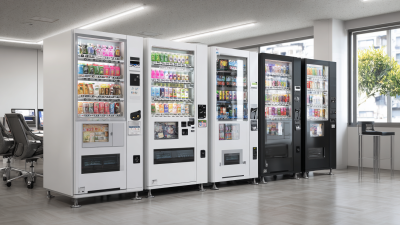
Maximizing Convenience: The Benefits of Modern Vending Machine Innovations
-
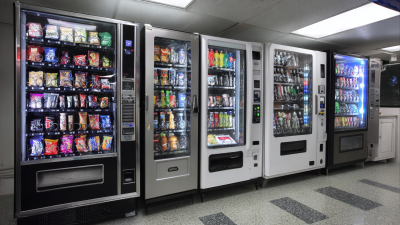
5 Compelling Reasons to Choose the Best Vending Machine Options for Your Business
-
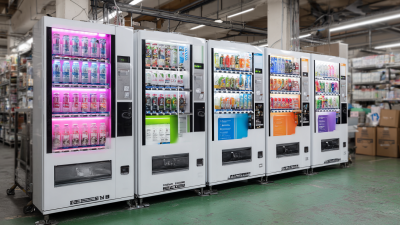
Best Vending Machine Options Crafted in China for Global Quality Recognition