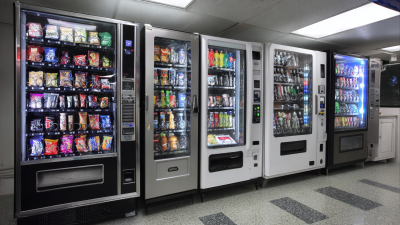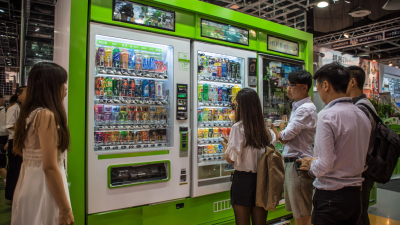
A vending machine can shape what employees, visitors, and customers choose during a busy day. A healthy vending program makes nutritious options easier to find without pretending that every snack suits every person. The right setup depends on your location, budget, audience, and available service support. A machine in a school break room may need different choices from one in a hotel lobby. Small details matter. Clear nutrition information, sensible portion sizes, and appealing products can make better choices feel practical rather than restrictive.
Before choosing a provider, consider the product mix, refrigeration needs, payment options, restocking schedule, and response time for repairs. Ask how the vendor selects products and handles requests for items such as lower-sugar snacks or plant-based drinks. Check that labels are easy to read and that chilled products stay within the manufacturer’s recommended storage conditions. These questions help you assess the service, not just the machine’s appearance. A polished display is not enough. If popular items sell out quickly, or healthier choices sit untouched, the plan needs adjustment. Track sales and gather brief feedback after launch; real preferences can differ from assumptions. There is no perfect menu, and “healthy” can mean different things to different customers. Start with a balanced selection, review it regularly, and make changes based on what people actually buy.
Before comparing healthy vending machines, map how your workplace actually operates. Count employees by shift, not just by total headcount. A factory with overnight crews needs different opening hours and product availability than a small daytime office. Note where people gather, such as the break room, reception area, or loading entrance. Location matters.
Look at workplace demographics without making assumptions about individual diets. A mixed-age team may value familiar snacks alongside fruit, nuts, yogurt, or lower-sugar drinks. Ask employees what they would buy, and include options for common dietary needs. Keep the survey brief. A paper slip near the coffee station can work, though responses may lean toward the most vocal employees.
Estimate daily foot traffic and typical spending before setting machine capacity or prices. Check whether staff bring lunches, work long shifts, or have limited nearby food access. These details affect both demand and restocking frequency. Our first estimate may be wrong. Track sales and empty slots for several weeks, then adjust the mix. Review feedback regularly, but treat one person’s request as a clue, not a complete picture. A simple monthly check can reveal whether healthy choices are being purchased or merely sitting untouched.
Choosing a healthy vending setup starts with the people who will use it. A refrigerated machine can offer yogurt, salads, fruit cups, and chilled meals. It needs reliable temperature control and frequent restocking. Ask who checks temperatures and removes food near its use-by date. A machine with fresh options is not automatically a better choice if those items sit untouched.
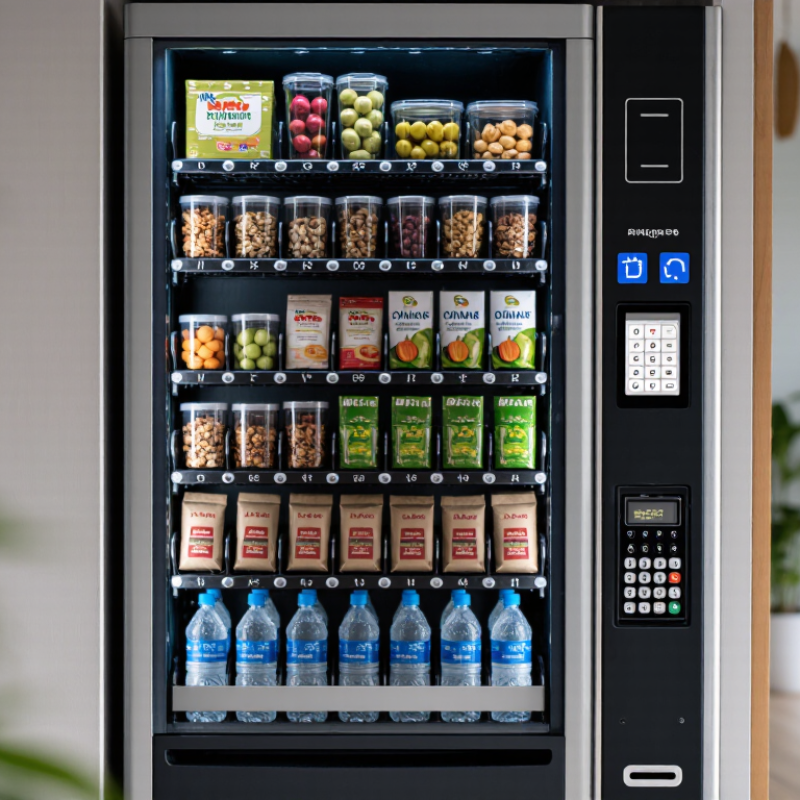
A traditional snack-and-drink machine is easier to place in a hallway or small break room. Its shelves can hold nuts, whole-grain crackers, and lower-sugar drinks alongside familiar favorites. Look for adjustable product settings and clear nutrition and allergen information. Small details matter. A readable label helps people compare options quickly, while visible water can make a practical difference. Still, “healthy” depends on the person; a product that suits one employee may not suit another.
Smart coolers and compact micro-markets provide more room for varied meals and snacks, but they need space, power, and regular inventory checks. Compare those needs with your budget and foot traffic. Ask the supplier how stock reports work and how often someone visits. Sales data can reveal what people actually choose, though it does not explain why they skip an item. Review the mix with staff after a few weeks. Some choices may need changing.
Healthy vending works best when the food matches the people using it. A machine near a school, clinic, or factory serves different routines and appetites. Watch when customers buy snacks and what they leave behind. A lunchtime rush may call for filling options, while night-shift workers may want portable foods that stay fresh.
Offer a mix of unsalted nuts, whole-grain crackers, fruit cups in water, and lower-sugar yogurt where refrigeration allows. Check nutrition labels for serving size, added sugars, sodium, and fiber; claims on the front of a package do not tell the whole story. Small details matter. Include clear allergen information, and avoid assuming that one “healthy” item suits everyone. Some customers need familiar choices, not a shelf of unfamiliar ingredients.
Use sales data and brief customer feedback to adjust the selection every few weeks. If an item sells slowly, its price, location, or packaging may be the problem—not necessarily the food itself. That distinction is easy to miss. Keep a few popular everyday snacks alongside more nutritious options, then test changes in small batches. Stock freshness, reliable restocking, and fair pricing shape trust as much as the product list.
| Product Category | Practical Nutrition Targets per Serving | Suitable Vending Options | Best Fit for Customers | Storage and Selection Tips |
|---|---|---|---|---|
| Water and unsweetened drinks | Choose water with no added sugar. For flavored options, look for unsweetened products or about 0 g added sugar per serving. | Bottled water, plain sparkling water, and unsweetened tea. | Suitable for most workplaces, schools, and public facilities; useful as an everyday alternative to sugary drinks. | Check bottle size and machine capacity. Keep drinks protected from heat and follow the product’s storage instructions. |
| Whole fruit | Offer whole fruit without added sugar. Nutrient content varies by fruit and serving size. | Apples, oranges, and other durable whole fruit, where appropriate. | Good for customers seeking a minimally processed snack or a convenient fruit option. | Use a suitable fresh-food machine, inspect stock regularly, and remove bruised or spoiled items. Refrigerate when required by food-safety guidance. |
| Unsalted or lightly salted nuts and seeds | Compare serving sizes and labels; as a purchasing target, look for no more than 200 mg sodium per serving and little or no added sugar. | Single-serve packs of plain nuts, seeds, or a simple nut-and-seed mix. | Can suit customers looking for a filling snack. Provide a clearly labeled alternative for people with nut allergies. | Check allergen declarations and prevent cross-contact where possible. Choose sealed packs with a suitable shelf life. |
| Whole-grain crackers or popcorn | Look for whole grain as a main ingredient; a useful target is at least 3 g fiber and no more than 200 mg sodium per serving. | Plain or lightly seasoned popcorn and whole-grain crackers in portion-controlled packs. | Works well for customers who prefer crunchy, savory snacks. | Compare serving sizes, sodium, and saturated fat across products. Use packaging that protects against moisture and crushing. |
| Lower-sugar snack bars | Compare labels for fiber, added sugars, and saturated fat. A practical target is at least 3 g fiber and no more than 5 g added sugar per serving. | Oat-based or whole-grain bars with fruit, nuts, or seeds and a short ingredient list. | Useful for customers who want a portable snack between meals. | Check the full nutrition label: products described as “natural” or “protein” are not automatically low in sugar or saturated fat. |
| Refrigerated yogurt or similar dairy alternatives | Compare protein, added sugars, and saturated fat; choose options with modest added sugar and a serving size that fits the machine. | Plain or lightly sweetened single-serve yogurt, or an appropriate fortified alternative. | May appeal to customers looking for a chilled snack with protein. | Use a refrigerated machine and maintain the temperature and handling controls required by local food-safety rules and product labels. |
| Portion-controlled savory snacks | Compare sodium and saturated fat per pack. As a general purchasing target, aim for no more than 200 mg sodium per serving where suitable options are available. | Baked or roasted snacks with simple seasonings and clearly stated serving sizes. | Adds variety for customers who want a savory option rather than a sweet snack. | Do not rely on front-of-pack claims alone; review the Nutrition Facts label and account for the entire package size. |
| Product mix and machine setup | Offer a balanced selection across drinks, fruit, savory snacks, and filling options; review nutrition labels before ordering. | Combine shelf-stable choices with fresh or refrigerated items only when the machine supports them. | Tailor the range to customer feedback, location, dietary needs, and typical purchasing times. | Track sales and waste, rotate stock by date, display prices clearly, and label allergens. Adapt the assortment based on observed demand. |
Note: Nutrition targets in this table are practical purchasing guidelines, not regulatory definitions. Nutrition values vary by product and serving size; verify the package label and follow applicable local food-safety requirements.
Choosing a healthy vending supplier takes more than reviewing a product list. Ask how often machines are restocked and how staff check freshness. Request sample nutrition labels and a proposed mix of snacks, drinks, and portion sizes. A supplier should explain how it adapts selections to employee feedback. Ask for recent references from similar workplaces. A polished sales pitch is not proof.
Tips: Request a sample menu. Check expiration dates during a site visit. Ask who handles refunds and machine faults. Small details matter.
Compare the full cost, not just the monthly rental. Clarify installation fees, payment processing charges, minimum sales requirements, and who pays for repairs. Service agreements should state response times, restocking schedules, and rules for changing products. Confirm how either party can end or renew the contract. If sales reports are available, ask how often you will receive them. These terms can reveal whether service is reliable after installation.
One caution: the cheapest offer may leave little room for fresh items or prompt repairs. I would compare at least two written proposals, then review the actual machine setup before signing. Some choices will still be imperfect; employee preferences can shift, so make sure the agreement allows reasonable adjustments.
Before installation, observe foot traffic at different times of day. A machine beside a break room may serve steady demand, while one near a lobby may sit unused after morning rush. Check outlet access, floor space, delivery routes, and clearance for doors or mobility devices. Measure the space rather than relying on a floor plan alone. Ask facilities staff about cleaning schedules and temperature changes, especially near windows or heating vents. Allow breathing room. A short pilot in one location can reveal problems before you commit to several machines.
Once operating, record sales by item and time period, along with restocking visits, stockouts, and expired products. Review the numbers weekly at first, then adjust the schedule when patterns become clearer. Low sales do not always mean an item is unpopular; it may have been placed out of sight or restocked too rarely. Track customer comments, too, but avoid collecting unnecessary personal details. Use the data to rotate options, set realistic inventory levels, and check whether fresh items remain appealing through the day. Keep it simple. Some early estimates will be wrong, and that is worth admitting; revise them using several weeks of observations rather than one unusually busy day.