Top 10 Vending Coffee Machines for Global Buyers

Choosing among the top 10 vending coffee machines requires more than comparing prices or counting drink buttons. Buyers need equipment that suits their locations, customers, and daily service capacity. A compact machine in a quiet hotel lobby faces different demands from one serving a busy factory shift. Consider cup size, brewing speed, payment options, cleaning access, and the availability of local technical support. Small details matter. A hard-to-reach drip tray can slow routine maintenance, while a clear display can help a first-time user choose confidently.

Vending-industry expert Jeff Lenard is known for discussing convenience in the automated-services sector. The following is an editorially written principle, not a verified direct quotation: “Convenience only works when the machine delivers reliably, cup after cup.” That idea offers a useful lens for evaluating vending coffee systems. Buyers should also check whether the machine handles their preferred ingredients, including fresh beans, powdered mixes, or both. Ask vendors about realistic service intervals and replacement-part access, not just headline specifications. Numbers can look impressive. Real-world performance may differ.

This guide compares ten machines for global buyers, focusing on practical fit rather than one universal winner. Regional power requirements, water access, payment methods, and service networks can affect a purchase, so confirm specifications with manufacturers and local distributors. No single model suits every site. Some buyers may also value features that appear minor, such as adjustable cup clearance or a simple rinse cycle. Those details deserve a closer look. The comparisons that follow aim to make trade-offs clearer, while recognizing that published specifications cannot replace an on-site trial.
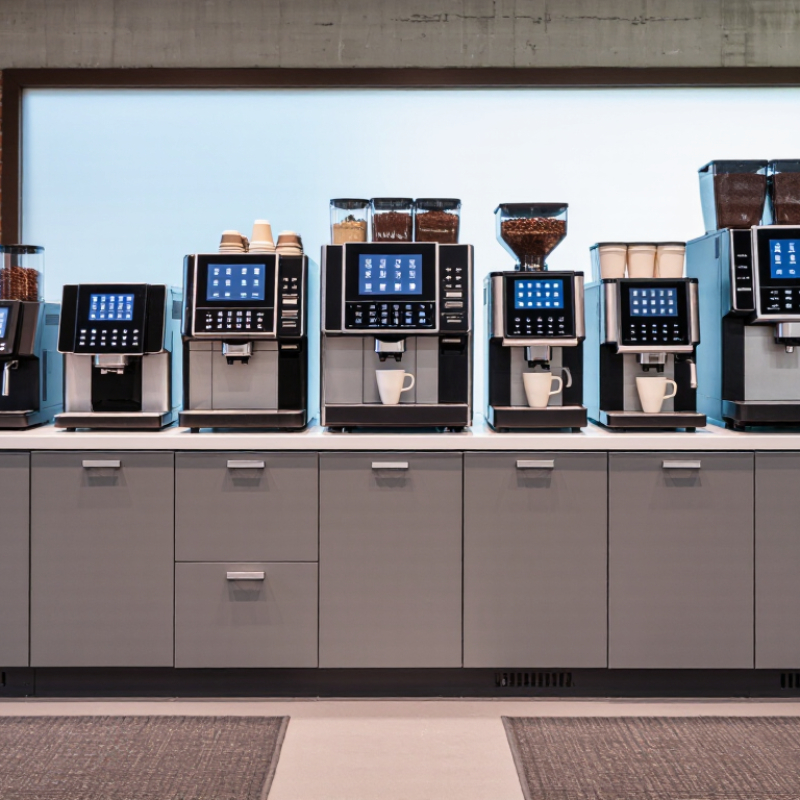
Top 10 Vending Coffee Machines for Global Buyers

What Defines a Vending Coffee Machine and How It Works

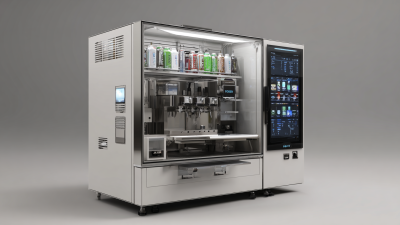
A vending coffee machine prepares and dispenses drinks with limited staff involvement. Customers select a drink, pay through an installed payment system, and collect it from a delivery bay. Unlike a basic coffee brewer, the machine combines drink-making equipment with a self-service interface. Depending on its design, it may use whole beans, ground coffee, or soluble ingredients. The distinction matters.

Inside, a grinder may turn beans into a measured dose. The machine then sends heated water through the coffee or mixes ingredients in a cup. Milk, sugar, and drink size can be selected when those options are supported. After payment, control software coordinates the recipe, brewing time, and dispensing sequence. Sensors can detect low ingredient levels or a full waste container, though they do not replace regular checks. Some models connect to a water line; others use a refillable tank. That affects placement and daily servicing. A small detail, perhaps: cup dimensions must match the dispenser, or drinks can splash.

Tips: Before buying, check local voltage, water access, payment compatibility, and cleaning requirements. Ask for operating and maintenance instructions. Test a sample drink if possible; taste and service needs can differ from the specification sheet.

Main Types of Vending Coffee Machines and Their Brewing Systems

Vending coffee machines usually rely on three brewing systems: instant, bean-to-cup espresso, and fresh-brew filter. Instant models mix soluble coffee with hot water, making drinks quickly with few moving parts. They suit sites with heavy foot traffic and limited maintenance access. The trade-off is noticeable: the cup may lack the aroma of freshly ground beans. A compact powder canister is convenient, but it needs regular cleaning.

Bean-to-cup machines grind whole beans for each order, then force hot water through a compact coffee bed. They can serve espresso-style drinks and often offer adjustable strength. Fresh-brew filter machines instead pass water through ground coffee and a paper or metal filter, producing a larger, milder cup. That difference matters in offices and travel hubs, where customers may expect different serving sizes. Milk systems add choice, but fresh-milk units need closer temperature and cleaning checks.

The International Coffee Organization estimated global coffee consumption at 177 million 60-kilogram bags in 2023/24, a useful signal of broad demand, not vending-specific sales. The National Coffee Association’s 2024 National Coffee Data Trends report found that 67% of U.S. adults drank coffee daily. These figures do not tell buyers which brewer will perform best at a particular site. The comparison is not perfectly clean: water quality, cup size, and cleaning routines can change taste as much as the brewing method. Tiny details matter. A hard-water location may need filtration, while a remote machine may favor a simpler system.

Key Features and Buying Criteria for Global Buyers

Global buyers should evaluate vending coffee machines against the conditions at each installation site, not just the feature list. Confirm the available voltage, plug type, water connection, and counter space before comparing models. A machine that fits a hotel lobby may be awkward in a narrow office corridor. Check whether the interface supports the languages customers and staff actually use. Small details matter.

Review how customers can pay, including whether the machine accepts local cashless payment methods. A coin slot alone may not suit every location. Compare drink choices, cup sizes, ingredient capacity, and estimated servings between refills. For a busy station, a small ingredient hopper can mean frequent interruptions. Ask for clear cleaning instructions and realistic maintenance intervals; attractive product photos rarely show the daily rinse routine.

Consider the operating environment, too. Dust, heat, humidity, and hard water can affect cleaning needs and machine upkeep. Ask suppliers about replacement-part availability, remote diagnostics, warranty coverage, and response times in the destination market. Verify applicable electrical and food-contact requirements locally before ordering. A removable drip tray helps. So does easy access to internal parts. No checklist catches every site-specific snag, so gather feedback from the people who will refill and clean the machine.

Top 10 Vending Coffee Machines Compared by Performance and Use

A useful comparison of the top 10 vending coffee machines starts with the job they must do. Bean-to-cup units grind to order and suit offices where aroma matters; fresh-brew machines serve queues quickly, while instant-coffee models need less cleaning. Espresso-focused units offer more drink variety but can require closer maintenance. Check peak-hour output, cup capacity, refill access, and whether staff can clear a blocked milk line without tools. Small details matter.

The National Coffee Association’s 2024 National Coffee Data Trends report found that 67% of U.S. adults had coffee in the past day. That supports demand in workplaces and public venues, but does not prove every site needs the same machine. The International Coffee Organization estimated global coffee consumption at 177 million 60-kilogram bags for coffee year 2023/24. Broad demand is real; local taste, service frequency, and supply access still shape performance.

For a quiet clinic, low noise and simple cleaning may beat a wider menu. A transport hub may prioritize fast dispensing and large ingredient bins. Compare energy use, water connection needs, waste handling, and service access alongside drink quality. Ask suppliers for measured cups per hour under realistic conditions, not just ideal demonstrations. That comparison is imperfect. Test with your own cups, recipes, and busiest hour; a machine that looks efficient on paper may frustrate users at 8 a.m.

Regional Requirements for Installation, Payment, and Maintenance

Top 10 Vending Coffee Machines for Global Buyers

Regional Requirements for Installation, Payment, and Maintenance

A machine that suits one market may struggle in another. Before comparing the top ten options, check the installation site’s voltage, frequency, plug type, and available circuit capacity. A technician should also confirm water access, drainage, ventilation, and enough clearance to open service panels. Small details matter. In humid or dusty locations, filters and ventilation openings may need more frequent attention.

Payment systems need local testing, not just a line on a product sheet. Confirm support for the region’s common cashless methods, currency, and network conditions. Test a transaction when connectivity drops; some sites need an offline payment option. That can fail. A machine placed in a busy station also needs a clear screen and a payment reader reachable by different users.

Maintenance planning should reflect local realities. Ask whether trained technicians, cleaning supplies, water filters, and common replacement parts are available nearby. Set a practical service-response target and review fault logs after installation. One uncomfortable lesson: a machine that fits the catalog may not fit the site. Regional checks take time, and they are easy to underestimate. Still, a short site survey can prevent repeated service visits and avoidable downtime.