What Are the Top 10 Vending Machine Solutions?
Choosing among the top vending machine solutions is not simply a matter of comparing machine prices. The right fit depends on what you sell, who uses the machine, and how often staff can restock it. A chilled unit near a busy office entrance has different needs from a snack machine in a small clinic. Small details matter.
This guide examines ten practical solution types, from cashless payment systems and connected inventory tools to refrigerated machines and compact self-service kiosks. It considers everyday factors: product capacity, payment options, energy use, accessibility, maintenance access, and supplier support. A machine that tracks stock remotely may reduce unnecessary site visits, but only if its data is reliable and the network connection remains stable. There are trade-offs.
No single option suits every location. A school, warehouse, and hotel may require different product selections, service schedules, and user interfaces. Buyers should verify warranty terms, payment fees, technical support, and applicable local requirements before signing a contract. These checks are less exciting than new features, yet they often shape long-term costs. I’d also treat sales forecasts cautiously; foot traffic does not guarantee purchases. The best vending machine solutions balance convenience with dependable service, clear operating costs, and products that genuinely suit the people on site.
Defining Vending Machine Solutions and Their Core Functions
A vending machine solution is more than a cabinet that releases snacks. It combines dispensing equipment, product planning, payment tools, and ongoing service. The right setup depends on location. A busy hospital lobby needs different capacity and refill timing than a small office. Small details matter.
At its core, the machine stores products, displays clear choices, and completes each sale. A touchscreen or keypad guides selection, while cashless readers and coin mechanisms process payment. Sensors can track stock, and remote dashboards may flag low inventory or equipment faults. These tools help operators plan refills instead of relying only on guesswork. Still, data can become stale when connectivity drops.
A complete solution also covers installation, product rotation, cleaning, and repairs. During a service visit, a technician might clear a jammed spiral and wipe the payment screen. They should also check that chilled products remain within the machine’s configured range. Sales, waste, and downtime records help show whether the setup is working. No machine is perfect. A thoughtful solution makes problems visible, though its layout may need adjustment after staff observe real customer behavior.
Classifying Vending Machines by Product and Service
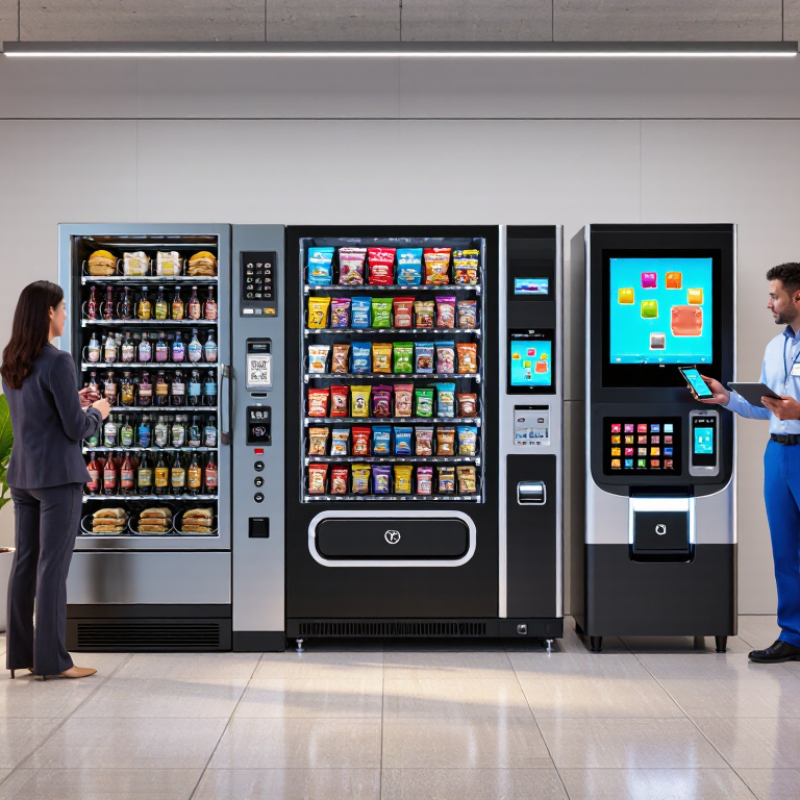
Vending machines are best compared by what they deliver and the service around them. A useful top ten includes snack, beverage, fresh-food, coffee, personal-care, workplace-supply, electronics-accessory, local-produce, book, and parcel-pickup machines. Each serves a different routine. A chilled lunch machine needs dependable refrigeration and clear date checks, while a snack unit may need only dry, orderly shelves. Small details matter. Visible prices and readable product information help customers make informed choices.
Service requirements separate similar-looking machines. Coffee units need frequent cleaning and restocking; personal-care and workplace-supply units benefit from secure compartments and accurate inventory tracking. Accessory machines can offer cables or chargers in transit hubs, where quick payment and easy-to-read product labels are important. Produce machines may need gentle handling and regular freshness checks. Book machines suit schools or public buildings, while parcel lockers focus on secure pickup rather than product sales.
The best fit depends on foot traffic, space, power, and who will maintain the equipment. A high-traffic location may justify remote stock alerts, but only if someone responds to them. No category wins everywhere. A neat list can hide messy restocking realities, especially when demand changes by season or time of day. Check local customer needs before choosing a machine or its product mix.
What Are the Top 10 Vending Machine Solutions?
Classifying vending machines by the products or services they provide.
Bars count the example offerings listed for each category. These curated examples illustrate what each solution can dispense; they are not sales, popularity, or market-share data.
The Top 10 Vending Machine Solutions by Use Case
What Are the Top 10 Vending Machine Solutions?
The best vending solution depends on who needs what, and where. Grand View Research estimated the global vending machine market at USD 21.3 billion in 2023, with projected growth of 6.7% annually from 2024 to 2030. That growth does not make every machine suitable for every site. A quiet office may need coffee and snacks; a hospital may need round-the-clock essentials. Placement, product mix, and reliable restocking matter as much as the machine itself.
By use case, consider: offices for drinks and quick meals; schools for approved snacks and water; hospitals for personal-care essentials; factories for protective work supplies; hotels for travel necessities; transit hubs for grab-and-go food; gyms for sports drinks and towels; apartment buildings for household basics; college campuses for late-night meals; and parks for cold drinks and packaged snacks. Chilled, ambient, or combination machines can fit these settings. Cashless payment and remote stock monitoring can also help operators spot empty spirals or refrigeration issues sooner. Still, technology cannot fix poor product choices.
Tips: Track sales by item and time of day. Start with a narrow selection, then adjust after reviewing real purchase patterns. Keep a manual restocking checklist, too; data can lag, and shelves still run empty.
Comparing Features, Payments, and Management Tools
The ten strongest vending solutions are not identical machines; they combine payment, monitoring, and management tools in different ways. Grand View Research estimated the global vending machine market at $21.3 billion in 2023, reflecting growing investment in automated retail. The Federal Reserve’s 2024 Diary of Consumer Payment Choice found cash represented 16% of consumer payments by number in 2023. That makes payment choice practical, not cosmetic.
Cashless readers and mobile-wallet acceptance can reduce friction, while hybrid cash-and-card setups serve customers who still carry bills. Small details matter. Telemetry, inventory tracking, and sales dashboards help operators spot low stock before a popular drink slot sits empty. Temperature alerts can flag equipment problems, but alerts only help when someone acts on them. Remote price controls and digital screens make updates easier; route-planning tools can reduce unnecessary refill trips.
The remaining options include loyalty features and touchscreen interfaces. Their value depends on the location: a busy office may benefit from quick tap payments, while a small lobby may need only reliable cashless acceptance and basic stock alerts. Compare transaction fees, offline behavior, reporting detail, and how easily staff can learn the system. A dashboard can still mislead if stock counts are entered incorrectly. Pilot the setup on a few machines, then check sales and service records before expanding.
Selecting a Solution for Different Locations and Needs
Choosing among ten vending machine solutions starts with observing how a location is actually used.
A compact snack-and-drink unit may suit a quiet office, while a refrigerated meal machine can serve workers during late shifts. A coffee station fits places where people pause, such as a reception area. Busy transport hubs may need fast payment and broad product choices. Smaller sites might benefit from personal-care essentials, phone accessories, books, fresh produce, water-refill stations, pickup lockers, or a micro-market. The right option depends on who visits and when.
That sounds tidy. It rarely is.
Before selecting equipment, record foot traffic at different hours and note where people wait, eat, or pass through. Check available power, network coverage, floor space, lighting, and delivery access. Refrigerated products require dependable temperature control and more frequent restocking; machines near entrances may need weather protection. Ask users what they would buy, but treat a short survey as a clue, not proof. Pilot one unit when possible, then compare sales, stockouts, waste, and service calls over several weeks. A low-cost machine can still disappoint if its payment system is unreliable or its most popular items keep running out. Keep the first product range narrow, review actual demand, and adjust it—even if the original plan looked better on paper.