Why Choose Snack Vending Machines for Your Business?
A snack vending machine can offer customers quick access to familiar food without requiring a staffed counter. In an office, it might provide granola bars and bottled water near a break room. In a gym, placement by the entrance can serve people before or after a workout. The right location matters. A machine hidden behind a hallway door may attract little attention, no matter how appealing its products are.
For business owners, snack vending can add a practical service while making better use of a small floor area. Before choosing a machine, consider expected foot traffic, product preferences, restocking needs, and payment options. Ask suppliers about installation, maintenance, stock monitoring, and response times for repairs. These details affect the daily experience more than a polished sales pitch does. Clear prices and a tidy, working machine help build customer confidence.
There are trade-offs. Products need regular checking, and slow-selling items can occupy space that better choices could use. A machine also cannot replace thoughtful service or suit every location. Start with a modest selection, then review sales and customer feedback over time. Keep it simple. Real results may differ from estimates, so leave room to adjust. A snack vending setup works best when it solves a genuine convenience problem and receives consistent attention. Done carefully, it can be a useful amenity—not an automatic source of profit.
What Snack Vending Machines Are and How They Operate
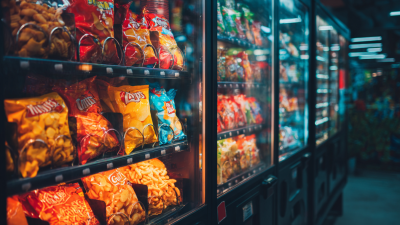
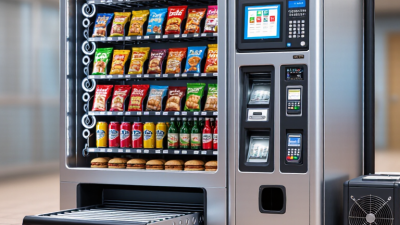
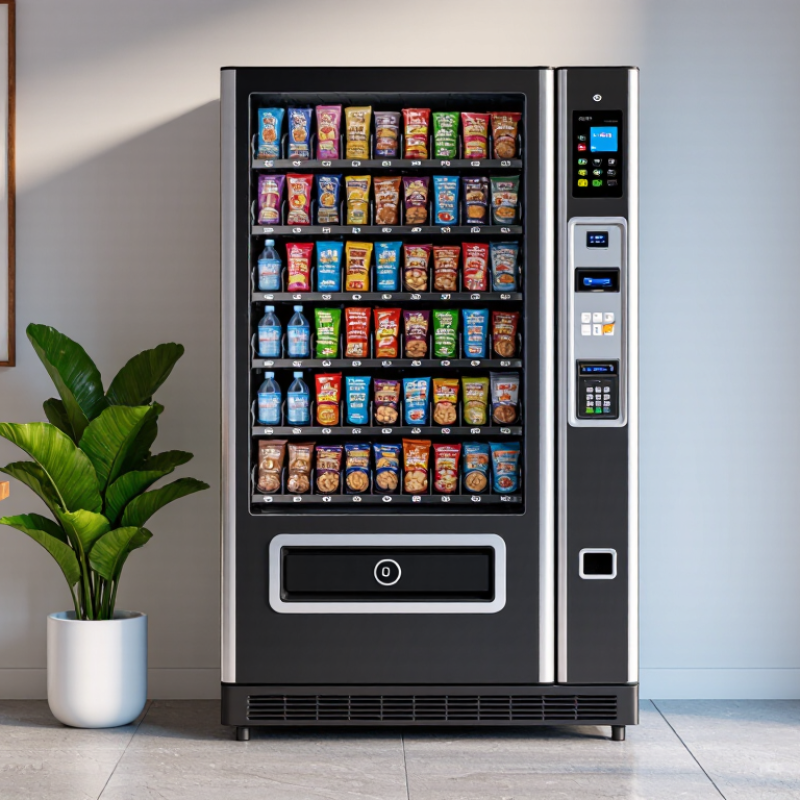
Snack vending machines are self-service cabinets that store packaged foods and release a selected item after payment.
Inside, snacks sit in spirals, trays, or adjustable lanes. A keypad or touchscreen records the choice, while a motor moves the item toward the pickup bin. Sensors can detect a failed delivery and prevent repeat charges. Payment may be made with cash, a bank card, or a contactless wallet. The machine sounds simple. Reliable operation depends on careful setup.
The operator selects products for the location, sets prices, and plans restocking. A machine in a busy office may need frequent checks; one in a quiet lobby may not. Remote monitoring can report sales, stock levels, and faults, helping staff bring the right items on each visit. The National Automatic Merchandising Association’s 2023 census estimated U.S. convenience-services revenue at $26.6 billion. That figure includes more than vending alone, so it offers industry context, not a snack-machine sales total. Small details matter: a jammed spiral or empty popular slot can frustrate customers quickly. Data helps, but it does not always explain why a snack stops selling. Operators still need to inspect the machine and listen to customers.
Where Snack Vending Machines Can Serve a Business
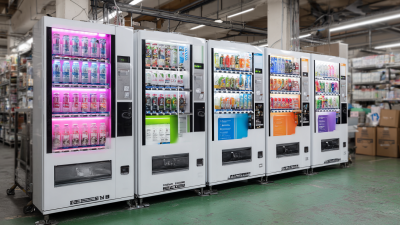
Snack vending machines work best where people need a quick, predictable bite. In an office, one near the break room can serve staff between meetings. In a warehouse, placing it beside a staffed rest area may save workers a long walk during short breaks. Small details matter. Check sightlines, outlet access, and whether delivery carts can reach the spot.
They can also suit college common areas, clinics, hotels, and shared residential buildings, provided access is clear and foot traffic is steady. A clinic waiting area may serve visitors during long appointments, while a hotel machine can help guests after nearby shops close. Still, a busy entrance is not always ideal: queues may block doors, and direct sunlight can affect product quality. I used to think more passing people always meant better sales. Not quite. Match the location to real break patterns, not just crowds.
Tips: Observe foot traffic at different times and ask staff where they naturally pause. Test one location before expanding. Keep the machine visible, accessible, and away from emergency routes.
How They Support Employee and Customer Convenience
An accessible snack vending machine can make a workday feel less fragmented. Employees can pick up a granola bar, crackers, or a drink without leaving the building or waiting in a café queue. That matters. A machine near a break room or staff entrance is useful during a ten-minute pause, a late shift, or a meeting-heavy afternoon. Clear prices and visible product labels help people choose quickly.
For customers, convenience often means having a simple option while they wait. In a repair shop, clinic lobby, or shared office, familiar snacks can make an unexpected delay more comfortable. Cashless payment and easy-to-read selections reduce friction, especially when someone is carrying bags or managing children. Small details count. A machine placed near seating is easier to use than one tucked behind a door.
The setup still needs attention. Empty coils, stale items, or awkward placement can create more irritation than value. Track which products move, check dates, and ask staff or visitors what they actually want. Preferences vary, and one request may not represent everyone. A vending machine cannot replace a proper meal or a welcoming person. A brief weekly stock check can catch empty rows and approaching dates before the next busy period.
| Why Choose Snack Vending Machines for Your Business? - How They Support Employee and Customer Convenience |
| Convenience Dimension |
How a Snack Vending Machine Helps |
Practical Consideration |
| On-site access |
Employees and visitors can buy snacks at the location where the machine is installed, without needing to leave the building. |
Choose a visible, accessible location that does not obstruct walkways or entrances. |
| Flexible break times |
Self-service purchasing lets people get a snack during breaks that may not align with nearby shop hours. |
Machine access depends on the building being open and the equipment being operational. |
| Quick transactions |
Customers can select and purchase an item directly from the machine, avoiding a staffed checkout line. |
Transaction speed and available payment methods depend on the machine’s features and configuration. |
| Payment options |
Some machines accept cashless payments, while others may also accept cash or coins. |
Confirm which payment methods the machine supports and display them clearly for users. |
| Snack variety |
A selection of packaged snacks can serve different preferences, such as sweet, salty, or portion-sized options. |
Use sales and feedback to guide the assortment, and check product labels for ingredient and allergen information. |
| Customer service areas |
A machine in a waiting or shared area can provide a self-service refreshment option for customers and visitors. |
Place it where it is easy to find and ensure the area has suitable space and access to power if required. |
| Availability of products |
On-site stock provides a convenient option between scheduled meals or during short breaks. |
Convenience depends on regular restocking, working equipment, and prompt removal of expired products. |
| Low-touch operation |
Self-service purchasing can reduce the need for a dedicated staff member to handle each snack sale. |
Routine cleaning, maintenance, payment support, and restocking still need to be arranged. |
What Costs and Management Requirements to Consider
A snack vending machine’s purchase price is only the visible cost. Budget for delivery, installation, payment processing, electricity, repairs, and the stock sitting inside the machine. The NAMA 2023 State of Convenience Services report estimated U.S. industry revenue at $26.6 billion for 2023, but that figure covers a broad industry; it does not promise any particular machine will be profitable. Location matters. A quiet hallway can leave fresh stock unsold while still consuming power and staff time.
Management costs are mostly recurring: checking inventory, cleaning shelves, handling refunds, and visiting locations to restock. The U.S. Bureau of Labor Statistics reported a $17.67 median hourly wage for laborers and freight, stock, and material movers in May 2023. It is a useful labor benchmark, not a vending-specific service rate. Track visit time, spoilage, payment fees, and sales by item before expanding. Small leaks matter. A spreadsheet can still miss the extra trip when a machine jams or a popular snack runs out before Friday. These details make a cautious pilot more useful than assuming steady sales from day one.
Why Choose Snack Vending Machines for Your Business?
Illustrative monthly operating costs for one machine (USD)
This planning example assumes $1,500 in monthly sales, with inventory at 50% of sales, a 10% location commission, and a 3% card-processing fee. Electricity and maintenance are estimates; actual costs vary by machine, location, sales, and service needs. Operators also need to manage restocking, product selection, payments, and routine cleaning.
How to Select and Install the Right Machine
Choosing a snack vending machine starts with the people who will use it. Note peak traffic, available floor space, and nearby power outlets before comparing models. A machine beside a break room may need different products and capacity than one in a busy lobby. Measure doorways and turning space, too; delivery teams need room to move it safely. Small details matter.
Tips: Ask potential users what they actually buy, then check that the machine’s product trays fit those package sizes. Compare capacity, payment options, energy use, and how easily staff can restock and clean it. Confirm floor strength, ventilation clearance, and electrical requirements with the supplier or a qualified installer. Keep a few inches around the unit if the manual requires it. Don’t guess.
During installation, place the machine on a stable, level surface and follow the manufacturer’s instructions. Test each selection, payment method, and refund process before opening it to customers. Record the setup date and maintenance contact where staff can find them. One practical lesson: a machine that looks right on a floor plan can still block a cart or create a queue. Walk the route in person. Then review sales and customer feedback after a few weeks; the first product mix is rarely perfect.