2026 Top Drink Vending Machine Suppliers for Global Buyers
As global buyers prepare for 2026, choosing a reliable drink vending machine supplier requires more than comparing catalog prices. A machine may look attractive online, yet fail under heat, dust, unstable power, or heavy daily use. This guide introduces leading suppliers through practical criteria, including product quality, customization, delivery capability, and after-sales support. Real purchasing decisions depend on operating conditions.
The review considers refrigeration performance, energy consumption, payment systems, remote monitoring, and payment compatibility. It also examines cabinet materials, temperature control, software stability, and spare-parts availability. A supplier’s certifications and export experience matter, but they should not replace direct verification. Buyers should request test reports, warranty terms, installation guidance, and references from comparable markets. Small details matter. A clear service response time can prevent weeks of lost sales.
No ranking can fit every country or business model. A supplier serving offices may not suit airports, schools, hotels, or outdoor locations. Some impressive product pages provide limited evidence about long-term reliability. That weakness deserves attention. Buyers should compare samples, inspect production standards, and confirm local compliance before signing contracts. This article aims to provide a balanced starting point for global sourcing in 2026. It recognizes both established manufacturers and promising suppliers with developing export records. Careful judgment remains essential. The best choice combines dependable equipment, transparent communication, realistic pricing, and support that continues after installation.
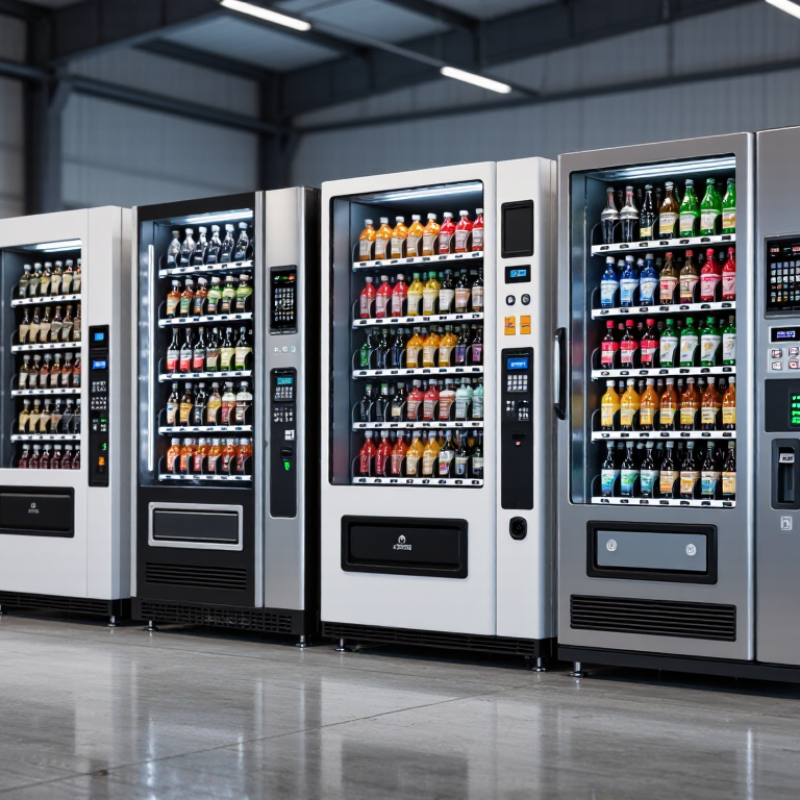
What Defines a Reliable Drink Vending Machine Supplier in 2026
What Defines a Reliable Drink Vending Machine Supplier in 2026
A reliable drink vending machine supplier understands real operating conditions, not only showroom performance. Machines may face heat, dust, unstable power, and heavy daily use. Ask for test records covering cooling consistency, payment failures, door locks, and temperature recovery. Details matter. Suppliers should provide clear technical drawings, installation guidance, warranty terms, and spare-parts availability. Their documents should identify electrical ratings, refrigerant information, cleaning procedures, and applicable safety certifications.
Experience becomes visible after installation. A capable supplier can explain average service intervals and common failure points without avoiding difficult questions. Request references from buyers operating in similar climates and retail environments. A useful supplier also offers remote monitoring, fault alerts, inventory data, and secure payment integration. These tools can reduce unnecessary service visits, but they are not magic. Weak network coverage may interrupt alerts. Test it.
Global buyers should review production quality, packaging protection, shipping support, and local compliance responsibilities. Ask how machines are secured during ocean transport and how damaged units are handled. A small pilot order can reveal response speed, software stability, and technician competence. No supplier is flawless. A polished demonstration can still hide slow support or expensive replacement parts. I would inspect one machine after several weeks of actual use, not only after a successful factory test. That gap matters. Reliable partnerships grow through measurable service levels, honest limitations, and documented corrective action.
2026 Top Drink Vending Machine Suppliers for Global Buyers
What Defines a Reliable Drink Vending Machine Supplier in 2026
For global buyers, supplier reliability is best assessed through measurable operating standards rather than company size alone. The chart presents practical procurement targets for commercial drink vending projects, including machine uptime, payment availability, remote monitoring, temperature control, and service response performance.
Key Drink Vending Machine Technologies and Product Categories
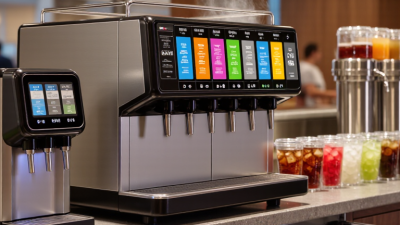
Drink vending machines are moving beyond simple bottle dispensing. Fortune Business Insights estimates the global vending machine market reached about USD 21.8 billion in 2024. Cashless payment, remote monitoring, and energy-efficient cooling are major growth drivers. For global buyers, touchscreen machines support card, mobile, and contactless payments. Telemetry sends alerts when stock is low or temperatures rise. Computer vision can improve inventory accuracy, but it still needs human checking. Technology is not perfect.
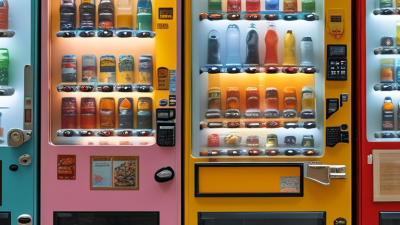
Product categories should match the buying environment. Refrigerated machines suit water, juice, milk drinks, and ready-to-drink coffee. Ambient machines reduce energy use for sealed beverages. Combo units handle drinks and packaged snacks in offices, schools, and transport hubs. Some newer models include adjustable shelves, glass-door cooling, and multilingual interfaces. The U.S. Department of Energy notes that efficient commercial refrigeration can reduce electricity consumption significantly, but actual savings depend on maintenance and climate.
Tips: Ask suppliers for measured energy data, not broad claims. Check cooling recovery after frequent door openings. Request payment compatibility by country. Test telemetry during poor network conditions. Review cleaning access around the dispensing area. A beautiful interface cannot repair weak refrigeration. Buyers should also compare warranty response times, spare-part availability, and software ownership. These details often matter more than a low purchase price.
How to Compare Global Suppliers, Pricing, and Manufacturing Capabilities
2026 Top Drink Vending Machine Suppliers for Global Buyers
Comparing global suppliers requires more than checking the lowest unit price. A reliable review starts with machine capacity, cooling performance, energy use, payment options, and service access. Ask for complete technical sheets, not attractive catalog photos. Confirm whether the machine supports local voltage, payment systems, climate conditions, and beverage container sizes.
Pricing should include more than the factory quotation. Calculate tooling, packaging, shipping, insurance, import duties, installation, and spare parts. A machine priced at 3,000 dollars may cost far more after delivery. Request a sample order before committing to a large quantity. Check the compressor, display, dispensing mechanism, and internal surfaces during testing. Small defects become expensive in busy locations.
Manufacturing capability also deserves close inspection. Review production photographs, quality-control records, testing procedures, and monthly capacity. Ask how suppliers manage replacement parts and warranty claims across borders. A serious manufacturer should explain lead times clearly and provide inspection documents. However, documents alone do not prove consistent quality. Independent factory audits can reveal weak assembly areas or rushed testing. I would not treat a polished sales presentation as evidence. Supplier comparisons are imperfect, especially when specifications are not identical. Keep a written scoring sheet for price, quality, delivery, communication, and after-sales support. Verify every promise before signing.
International Compliance, Customization, Shipping, and After-Sales Support
For global buyers in 2026, a reliable drink vending machine supplier must prove more than production capacity. Compliance should cover electrical safety, food-contact materials, electromagnetic compatibility, and refrigerant documentation where applicable. Ask for current test reports, factory quality records, and manuals translated for the destination market. Local voltage, plug type, payment regulations, and temperature ranges can change the required configuration. Details matter. An experienced supplier should explain these differences clearly, rather than hide them behind generic certificates.
Customization should solve operating problems, not simply add attractive features. Buyers may request bottle and can dimensions, cooling capacity, screen language, cashless payment integration, and branding panels. Request a sample interface and physical layout drawing before approving production. Shipping plans deserve equal attention. Confirm the HS code, crate dimensions, gross weight, Incoterms, insurance responsibility, and port delivery process. Moisture barriers and shock indicators can reduce damage during long sea transport. However, careful packaging cannot remove every risk.
After-sales support is easiest to judge before purchase. Require a written spare-parts list, troubleshooting videos, remote diagnostic access, and a defined response time. Ask whether technicians can guide local service teams through compressor, sensor, and payment-system repairs. Keep critical parts available for the expected service period. A pilot shipment may reveal overlooked issues, such as condensation in humid climates or unstable network connections. That feedback should change the final specification. No supplier gets every detail right on the first attempt. Reliable partners document mistakes, correct them, and share preventive steps with buyers.
Top Supplier Profiles and Selection Criteria for Global Buyers
Choosing a drink vending machine supplier requires more than comparing catalogue prices. Global buyers should study supplier profiles, production experience, and after-sales capability. A reliable supplier explains machine capacity, cooling performance, payment options, and expected maintenance needs. Clear answers matter.
Look for documented quality controls, export experience, and compliance with the destination market’s electrical and safety requirements. Ask for test reports, warranty terms, spare-parts lists, and installation guidance. A strong supplier can provide machine drawings, packaging details, and realistic lead times. Request references from similar climates or locations. Outdoor machines face heat, rain, dust, and unstable power.
I once focused too heavily on the lowest quotation. That decision ignored delivery support and replacement-part costs. The cheaper machine became expensive after installation. This is easy to miss. Buyers should compare total ownership costs, including shipping, customs documentation, software fees, energy use, and technician visits. Product samples or factory inspections can reveal small issues, such as weak hinges or difficult screen access. Communication quality also deserves attention. Delayed replies during negotiation may become serious delays after payment. Still, no supplier is perfect. Ask how the supplier records failures, handles redesigns, and responds when a promised feature does not work. Terms should be written plainly. Supplier reliability is demonstrated through evidence, not attractive claims.